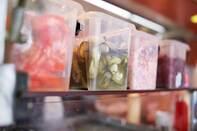
 Restaurants can be chaotic – but if your storage areas make it look that way, you’re inviting food safety hazards. Looking through everything you store, from menu ingredients to cleaning solutions, is anything missing a label? If during the dinner rush your staff has to make educated guesses about the freshness of food items they are preparing or the identity of solvents they are using to clean, you might serve ingredients that have spoiled or introduce toxic chemicals into your kitchen in areas where they don’t belong. Make sure all containers are labeled with their contents, as well as the date they were filled and the date by which contents must be discarded.
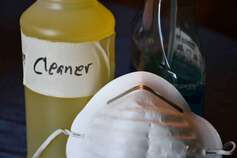 Restaurants are having to do more with less, make training new staff as straightforward as possible, and uphold safety protocols – so where any processes can be made easier, why not make a change? Cleaning products are one example. They should be simple to use. Can your cleaning products be used in a variety of applications and locations across your restaurant? The food safety company Ecolab advises restaurants to make the cleaning process less complex by using multifunctional cleansers specifically designed to require fewer steps, less time and less dependency on certain temperatures.
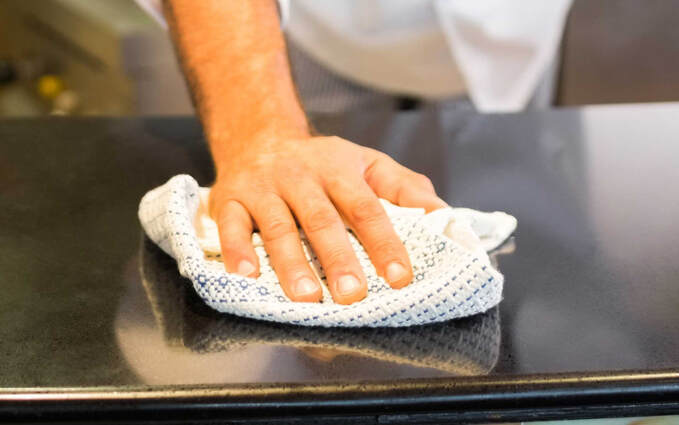 Even during a normal winter with its typical viruses, overzealous cleaning would be expected. This year, your staff may be taking even more precautions to keep everything from doorknobs to POS touchscreens clean. Make sure they know the difference between cleaning, sanitizing and disinfecting – and which solutions are to be used for which surfaces. Wiping down a surface with the wrong solution can not only be ineffective, but it may also damage the surface being washed (as in the screens of tablets or other electronics). If you need a reference, the National Restaurant Association provides some guidance.
 Has COVID-19 introduced new cleaning and sanitizing methods and products to your operation? Just be aware of any hazards of newer chemicals your staff uses to clean food surfaces and non-food surfaces. As Chris Boyles of Steritech recently told Winsight Grocery Business, touch points like door handles in the freezer can be difficult to clean and sanitize – and may need to be treated more frequently and with new chemical solutions intended for the coronavirus. If that’s the case for you, ensure your staff is well aware of how to treat those solutions, and particularly on which surfaces they can and can’t be applied. He said, “We frequently remind staff about the very serious dangers – potentially lethal dangers – of mixing different chemicals, for example, chlorine disinfectants with quat sanitizers.”
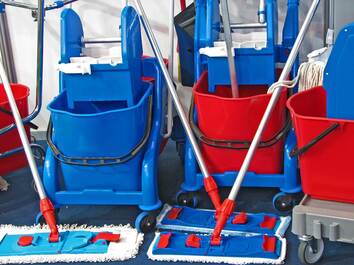 While it’s critical to keep food preparation surfaces clean and sanitized, more is not better when it comes to sanitizer. As a Wake County Environmental Services report indicates, high concentrations of sanitizer can corrode equipment and make it more difficult to clean. They can also leave behind an odor or leave a bad taste on surfaces. Make sure you follow the manufacturer’s instructions and use chemical test strips to ensure proper concentration levels.
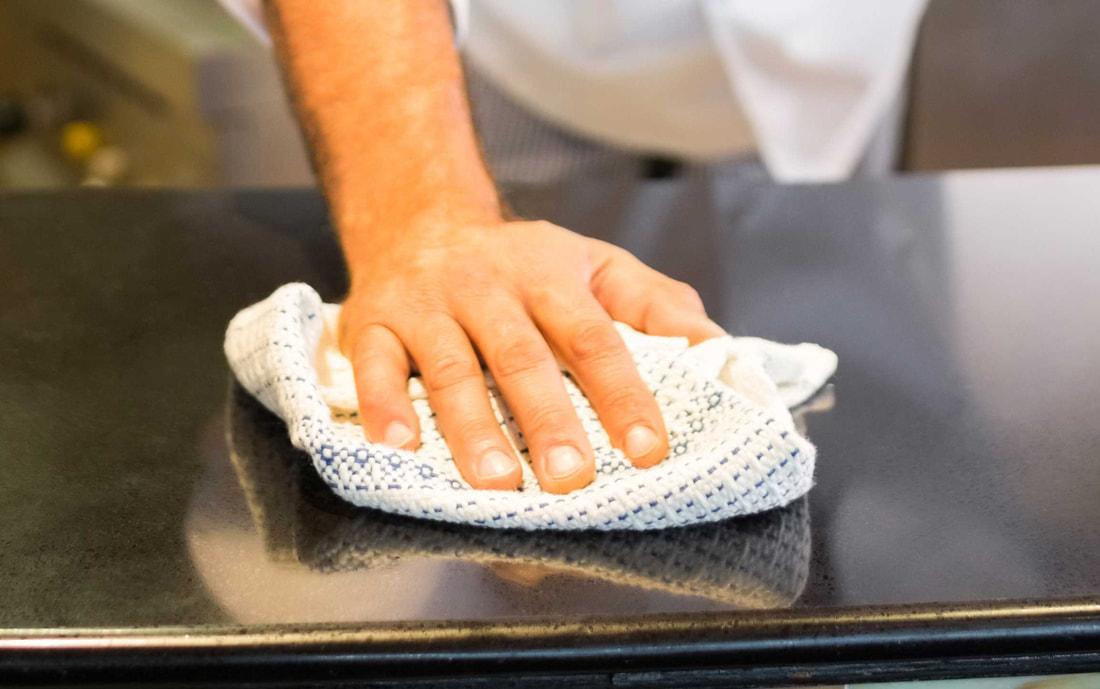 The sanitizers you use to clean dishes and other surfaces in your kitchen are only effective when used at the advised temperature for a specific concentration – otherwise you may be spreading pathogens around your kitchen or using a chemical in a dangerous way. For instance, the 2017 FDA Food Code indicates that chlorine sanitizers with concentrations ranging from 25-49 mg/L should be prepared with water that’s 120˚F, concentrations from 50-99 mg/L with water that’s 100˚F and concentrations of 100 mg/L with water that’s 55˚F. Iodine sanitizers should be prepared with water measuring 68˚F and quaternary ammonium compound sanitizers should be prepared with water measuring 75˚F. Statefoodsafety.com advises using chemical test strips to confirm you’re using the right concentrations and temperatures.
 As restaurants and other businesses reopen and people gather in greater numbers, there is a risk of increased cases of Covid-19. Your cleaning practices, cleaning materials and labor scheduling plan needs to keep pace with the new environment. Chris Boyles, vice president of food safety at Steritech, told Restaurant Dive that cleaning costs will look different for restaurants now. For example: Do you have sufficient staff on hand to carry out your enhanced cleaning procedures? Are you using disinfectants that have been approved by the EPA for use against COVID-19? If one of your employees tests positive for the virus and you need to close your premises for cleaning, what will it cost to hire a third-party disinfection service if required? Anticipating these costs and planning for them may help you avoid having to pay more than needed as you ensure your business is clean and ready to serve guests.
 To avoid the spread of the coronavirus, not to mention seasonal flu, restaurants and other facilities where people congregate are raising their game when it comes to regularly disinfecting the surfaces where germs can lurk and be easily transferred. Beyond the long list of items such as table surfaces, seating areas, food preparation areas and trash containers that are a regular part of your cleaning routine, remember small-surface-area items like light switches, keypads and door push plates that can harbor harmful bacteria. Don’t neglect to clean and sanitize handles throughout your facility too – such as those on toilets, sinks, doors, food and ice scoops and appliances – as well as push plates on soap, paper towel and beverage dispensers. Be sure to use sanitizers at the proper temperature, concentration and for the proper length of time to ensure their effectiveness. The health technology company Ecolab provides industry-specific checklists that remind operators of the surfaces they need to clean and sanitize regularly – or contact Team Four for help in fine-tuning your cleaning and sanitation practices.
 Amid increasing calls for people to stay home right now, restaurants have to make it clear to customers that they provide safe takeout and/or delivery – and with far fewer interactions than are common at grocery stores. First take stock of how you are keeping your operation and employees safe at the moment, including wearing gloves and masks, disinfecting your POS terminals between customers, offering curbside pickup and taking care to keep your delivery packaging free from contaminants. Transition to accepting only mobile/card payment and if you have an app, add a contactless option that allows pre-payment and enables customers to provide directions for a contactless drop-off. Then make your new protocol clear on your website and social media accounts. Consider posting a short video that takes viewers through the process of getting a takeout or delivery order from you right now. When people are deciding if and where to order restaurant food, it can make a difference.
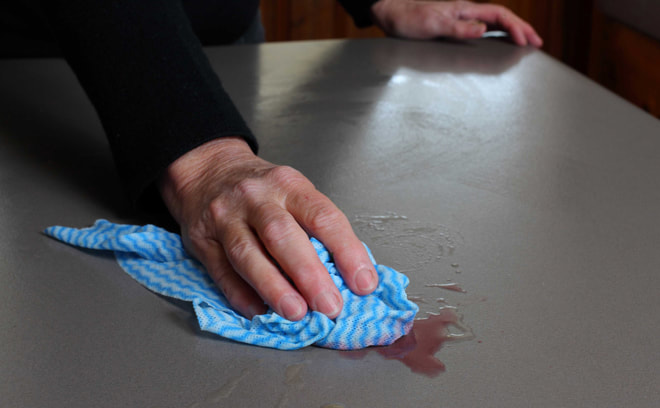 When washing dishes or foodservice equipment, cleaning and sanitizing need to happen together – each on its own isn’t enough to protect your guests from pathogens. But even when sanitizer is used after cleaning, Statefoodsafety.com says it can fail to do its job or even spread germs if not used at the proper temperature and concentration for the appropriate amount of time. Chlorine, iodine and quaternary ammonium compound sanitizing solution all have different temperature requirements. If a sanitizer is mixed with water that’s not the right temperature, it may be less effective. Use test strips to check you are using the appropriate concentration of each sanitizer as it might be dangerous at the wrong proportions. Finally, let each sanitizer work for the required amount of time to make sure it’s effective.
|
subscribe to our newsletter
Archives
April 2024
Categories
All
|
 RSS Feed