 Energy costs are continuing to climb: According to the U.S. Energy Information Administration, average commercial electricity prices reached 13.9 cents per kilowatt-hour during the first half of 2026, an increase of approximately 6 percent over the previous year.
In this environment, you may be looking for opportunities to reduce your consumption and manage peak demand. Automated equipment controls may help you contain costs. For example, smart ventilation systems use sensors to adjust fan speeds according to cooking activity. A California Energy Commission study involving six commercial foodservice locations, including a hospital cafeteria and airline caterer, found that operational improvements and equipment upgrades reduced energy consumption by 20-40 percent. Demand-controlled ventilation delivered additional ventilation energy savings exceeding 50 percent at two locations. If equipment upgrades aren’t in your plans, you can use energy-management systems to stagger your equipment start-up, schedule more energy-intensive tasks outside of peak-rate periods and monitor consumption. In cases where your utilities impose demand charges, these strategies can help reduce your electricity bills without having to compromise on service. 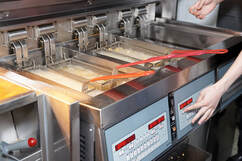 It seems every part of a restaurant kitchen has a “smart” solution these days, whether it’s smart sensors to monitor the temperature of a pot of water, the volume of ingredients needed for a dish, or any number of other tasks. But these new tools are only as good as the knowledge employees possess in using them. Make sure your staff first understands the problem you’re looking to solve with smart tools and appliances. Then provide hands-on introductory training, follow-up training and ongoing monitoring to ensure you’re getting the most you can from these new additions to your kitchen. If you have a tech skeptic on your staff, it may improve your eventual buy-in by working with this person on the new tool, then having them teach others on the team.
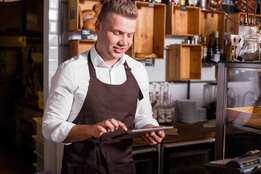 Restaurant technology is not only about helping an operator respond with speed and precision to what’s happening in the moment; it’s also about predicting and preparing for what is likely to happen in the near future. In a recent report from FSR Magazine, the CEO of the restaurant Bartaco said that technology such as predictive prep lists, dynamic pricing and smart kitchen display systems will be critical to helping operators preserve margins without passing excessive costs on to guests this year. All of these solutions are about anticipating demand and preparing for it. How well does your current tech setup allow you to anticipate what’s coming – and rapidly change course as needed?
|
Subscribe to our newsletter
Archives
October 2026
Categories
All
|
 RSS Feed