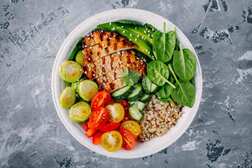
 Bowl-based meals continue to be in high demand across day parts. They present a good opportunity for chefs to offer the health-conscious, plant-forward combinations guests are craving — and freshen up their menus with flavorful, in-season ingredients ranging from peas to asparagus. Help your bowls stand out with layers of texture and color, pops of flavor delivered by additions like global spices or fermented produce, and homemade signature add-ins on top of any speed-scratch ingredients you’re using.
 Do you have guests who like to know that what they are eating isn’t only good for their health but is also environmentally sustainable? This mindset, which has become more widespread since the start of the pandemic, is likely to expand further as American consumers struggle to manage high inflation. The average American family of four wastes $1,500 of food each year, according to Earth.org, and rising grocery bills make it that much more important to minimize waste. Chefs are in a powerful position to continue to move the needle when it comes to the consumer mindsets and habits that generate food waste. While chefs have long found creative ways to use excess vegetables in soups and other dishes, minimizing waste is now less a case of slipping a less-than-perfect carrot into a stew than actively promoting menu specials because they contain ingredients that might otherwise go to the compost bin. Nation’s Restaurant News reported recently that Michael Guiess, chef at the University of North Carolina at Chapel Hill, developed a pop-up menu feature dubbed the Low-Waste Bowl. The bowl’s ingredients, which change depending on what is available, have included such items as roasted carrots, herb-braised celery and watermelon rind pickles, as well as grains like brown rice or sorghum. The common elements woven through the bowl are that they feature healthy ingredients and cut down on waste. The popular feature has won industry accolades and helped the foodservice operation glorify ingredients that may be slightly past their prime but still have health-preserving (and money-saving) benefits.
 How strong is your bowl game? In addition to being a big win with guests looking for customizability, bowls are built for the current environment. It’s easy to swap new proteins, produce and grains in and out based on what you have available or don’t. In fact, the fluctuating supply may even make your bowl options feel fresh instead of lacking. Your dressings can also help you to shift gears quickly and reinvent bowls with global flavors.
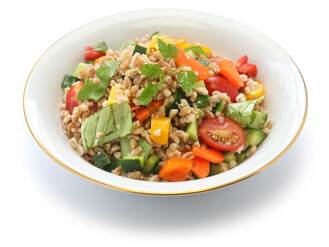 Consumers are still crazy about bowls, and for good reason: They often pack a lot of nutrients into one satisfying, colorful, easy-to-eat, easy-to-transport dish. They also present restaurant operators with exciting possibilities for every daypart, all while boosting a kitchen’s efficiency with a collection of ingredients that can generate seemingly endless combinations. Try offering a traditional savory bowl with grains, greens and textural elements like nuts or seeds, plus extra elements like feta, halloumi, herbs or dipping sauces. Or, invent your own version with a handful of your most popular ingredients.
|
Subscribe to our newsletter


Archives
April 2024
Categories
All
|
 RSS Feed