|
Healthy eating can be pricey: An estimated 7 in 10 Americans say the increased cost of healthy food in recent years has made it difficult to maintain a healthy diet, according to a Pew Research Center survey conducted earlier this year. This poses a challenge to foodservice operators in senior living and adult care facilities who are trying to accommodate a wide range of dietary needs.
According to research from the National Council on Aging, at least 95 percent of older adults have a chronic illness like heart disease or diabetes – and poor nutrition can worsen these conditions. So how can senior living and adult care facilities best plan nutritious meals when ultra-processed foods are often cheaper and more accessible? As inflation continues to drive up the price of fresh produce, whole grains and lean proteins, maintaining a healthy menu can feel out of reach. But with some creativity and planning, it’s possible to deliver meals that promote wellness and accommodate budget constraints. Maximize versatility with low-cost ingredients. Lentils, canned beans, brown rice, and frozen vegetables can be used across multiple dishes and in a range of applications, minimizing waste and cost per serving. Partner with local farmers and rotate seasonal produce to capitalize on better pricing and nutritional value. Aim for scratch-prepping of soups, stews and casseroles to help minimize sodium and preservatives. Promote meatless meals once or twice a week. Finally, keep seniors involved. By menu planning with resident input – or making food more experiential for them by combining it with an event – facilities can improve satisfaction and identify culturally familiar options residents will enjoy. This summer’s beverage trends are leaning hard into function – drinks that not only quench thirst but also promote health. Think sparkling waters with herbs and extracts like adaptogens, turmeric or ginger as a base for crisp flavors like yuzu lime or cucumber mint. More restaurants are also combining the amino acid L-theanine with green tea or cold-brew coffee to boost energy and focus without jitters. For guests craving a post-workout refresher, probiotic juices with fermented berries and other gut-boosting ingredients can serve as a base for sweeter fruit drinks. Botanical sodas and herbal teas are also on trend right now and include ingredients like skin-and-joint-boosting collagen and soothing herbs like lemon balm and elderflower.
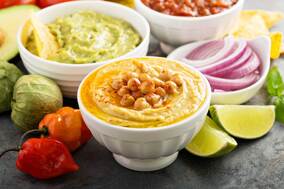
Autumn ushers in a period of several months when consumers are apt to crave restaurant food: Weekend sports bring people together and provide natural occasions for eating comfort foods, and upcoming holiday gatherings (and their associated flavors) are on people’s minds. It’s a great time to innovate your menu with new and interesting options — and increasingly, consumers are looking for those options to be plant-based, plant-forward, or simply lean alternatives to meat. As recent research from Technomic indicates, consumers continue to perceive plant-based foods (including plant-based alt proteins) as healthier and more sustainable. Further, at a time when consumers are wary of menu price increases, plant-based ingredients can help you use your inventory more efficiently and economically across your menu, so the prospect of spending on a restaurant meal is more palatable to cost-conscious guests. Even if you don’t want to trim the animal protein content on your menu, there may be opportunities for you to highlight the “health halo” of certain proteins — such as particular seafoods, according to Technomic — or elevating turkey and chicken as leaner, healthier alternatives to red meat. Looking at your menu, where might you offer customizable options that help guests enjoy the comfort foods of the season, but in more health-conscious ways? When Mintel released its 2024 Global Food and Drink Trends report, they predicted that this year, we should “expect brands to help consumers live longer, healthier lives.” To be sure, consumer consciousness about health and nutrition has been on an upward trend in recent years, with growing awareness about functional food and drink, the degree of processing involved in what we consume, and the ability of food to help extend the healthy years of a person’s life. To that end, restaurant brands are responding to this environment in new ways. For one, Nation’s Restaurant News reports that the quick-service salad brand Salad and Go recently named its first-ever salad nutrition officer, registered dietician Maya Feller. On the Salad and Go website, Feller is providing tips to help guests incorporate more healthy food into their diets, as well as collaborating with the restaurant’s chef on a video series aimed at dispelling food myths and misconceptions, the report says. If making healthier choices is important to your guests and a key component of your restaurant’s brand, there are steps you can take – both direct and subtle – to nudge people in a healthier direction when it comes to their food and drink. You can promote the pleasure of healthier items with descriptions that focus on taste as opposed to health benefits – “citrus-glazed carrots” as opposed to “fiber-rich carrots,” for example. You can also place healthier options front and center when guests are reviewing the menu, flag them with special logos on your menu, or suggest them as side dish options when upselling an order. Many foods that are popular with consumers right now walk the line between health and indulgence: Take cauliflower wings, black bean burgers or broccoli mac and cheese – all comforting, but without the guilt that can go along with some comfort foods. The dips, spreads and sauces on your menu can also incorporate the best of both worlds, combining flavor and comfort without sacrificing health. Think about weaving seasonal vegetables into colorful hummus varieties or yogurt-based dips, or creating a flavorful dipping sauce with immune-boosting spices. At the start of a new year, many consumers are taking a closer look at their diets – at least for a little while – and trying to make incremental changes to improve their health. Restaurants that can make health and nutrition as palatable as possible stand to win over these guests. As you review your menu for the year, consider how you can ramp up the nutrition of your options in natural ways – with higher concentrations of nutrient-dense vegetables, fiber- and mineral-rich flours in place of refined options, or chameleon ingredients like cauliflower as alternatives to traditional rice or pizza crust. Covid has changed consumers’ relationship with foods, their ideas about health and their perceptions about what ingredients mean. According to Health & Wellness 2021: Reimagining Well-being Amid COVID-19, a new report from the Hartman Group, health and wellness have become more top-of-mind considerations for a broader set of consumers in the past two years as they have seen first-hand how infectious diseases, immunity, vaccine effectiveness and safety and mental health all play critical roles in their lives. They are now applying that experience to the foods they consume and are approaching menus more mindfully as a result. So what does that mean for restaurant operators? After the greater amount of time consumers have spent cooking meals at home in recent years, expect more scrutiny of ingredients, as well as the pursuit of less-processed, naturally plant-based foods. For example, the report indicates that more indulgent brands that are making wellness claims will need to be able to back them up more precisely – and that more natural presentations of plant-based proteins are likely to emerge as preferred options by health-conscious consumers. If you have a brand that is built around wellness, or if you simply make wellness claims around specific menu items, aim for simpler, unprocessed ingredients and be ready to answer questions about what’s on (and in) the menu. |


Subscribe to our newsletterArchives
November 2025
Categories
All
|


RSS Feed