 Restaurant prices have undergone a reality check in recent months and years. If, like the vast majority of operators, you have had to hike menu prices to keep pace with such stresses as inflation and rising staff compensation, your guests may scrutinize their spending a bit more – perhaps cutting back on visits or ordering less when they do. Or, they may visit you on occasions when they are apt to eat a bit less – like for an after-work snack and beverage with a friend or a pre-workout boost. But you can take some steps to manage the perception that you’re stretching guests’ budgets and also drive off-peak traffic by making your between-meal dining occasions feel more special. For example, you can double down on your value options – guests are still apt to respond to offers of combo meals, meal bundles and other items that make them feel like they are getting more for their dollar. Pour some creativity into your between-meal periods by offering some eye-catching hot and cold beverages that guests can customize with their own additions. It’s also important to get personal: New research from TouchBistro found that 64 percent of restaurant operators are sending personalized offers to guests, up from 55 percent last year. So even if you’re already sending personalized offers to your best guests, your offer may be one of several vying for their attention. Drill down on your guests’ habits and lifestyles to ensure you’re offering food and drink options they will want to make part of their day.
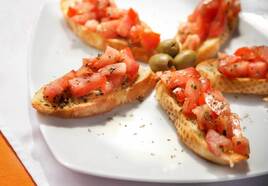 It may be the ideal way to keep costs in check while offering guests the kinds of appealing options that keep them engaged and bring them back: Offer creative snack foods and beverages that are worth the trip outside of meal times. Think functional beverages – like smoothies that offer an energy boost or other nutritional elements ideal for the pre- or post-workout crowd. The same goes for smaller nibbles that can drive traffic during slower parts of the day, attract a younger demographic, and may be easier to feature on a rotating basis as limited-time offers to keep your menu fresh. A recent Restaurant Dive report says more foodservice businesses are taking this route – simplifying the main menu but growing their options in other areas – in an effort to reduce operational complexity in their kitchens and manage costs.
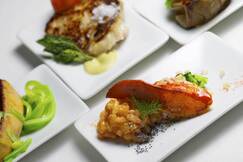 As consumer work habits have shifted over the past few years, restaurant dayparts have blurred too, making it feel appropriate to eat meals at in-between times previously relegated to snacks and drinks. But while this shift has, in theory, created some opportunities for restaurants to appeal to guests between meals, other challenges – notably inflation – have made operations more difficult in recent months. Although signs point to the U.S. experiencing decreased inflation and (as of the timing of this writing) possibly avoiding recession, economic uncertainty has still affected how consumers are spending in restaurants. Guests’ desire for value has meant that when they go to a restaurant, they are more likely to do so for a meal than for a snack. But that doesn’t mean your snack menu is obsolete. In fact, it could actually help you upsell to your guests and increase perceived value if you change how you frame these items. For example, try offering snack-sized portions on your appetizer menu or position them as small plates that can help guests feel like they are maximizing the experience they are getting for their bill total. Or, as a recent Restaurant Business report advised, you can offer some of these items as add-ons or combo deals.
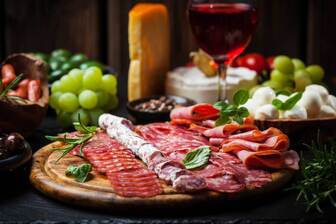 For many Americans, mealtime has increasingly become snack time. According to a Harris Poll conducted last year, 70 percent of millennials say they prefer snacks to meals. Further, industry research indicates that a large percentage of Americans replace one meal each week with a snack – and some eat no formal meals at all. This means there’s room for expansion on your snack and appetizer menu. As the pandemic has shifted people’s eating patterns, could any of your offerings serve as mini meals for guests who aren’t eating as many entrées?
|
Subscribe to our newsletter
Archives
April 2024
Categories
All
|
 RSS Feed