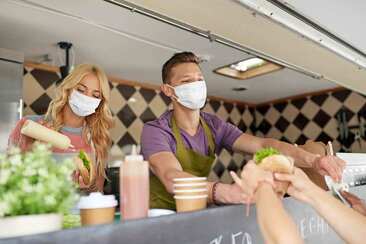
 No doubt, the past year has been more difficult for restaurants than we care to think about. But the turning of foodservice on its head hasn’t been completely bad. In fact, it has opened some doors – particularly for nimble, entrepreneurial operators who have a knack for posting enticing food photos on social media and the ability to use tech to set up ordering and delivery. As the New York Times reported recently, there has been an explosion of inventive take-out food concepts on Instagram lately as foodservice operators have begun promoting small, rotating, deliverable menus on the platform – and with success. Some of these concepts are based on ideas that chefs have dreamed of trying for some time, but others are simply a temporary means of keeping money flowing in to pay employees, cover rent and essentially stay in business in some form until the pandemic winds down. Some chefs are even working out of simple home kitchens. Whether you’re in the position to try pop-up concepts like this or not, they are evidence of the newly stripped-down list of resources a restaurant truly needs to function, which are important to remember for the long term. Operating a restaurant is no longer about real estate but about being able to reach your customers where they are – and using the range of tools at your disposal to help. First, focus on making it easy and fast for customers to order from you online. Think about how you can profitably get food to customers – whether by aligning with a third-party vendor, offering a scheduled weekly drop-off of food (ready to eat right away or freeze), or even just making curbside pickup more appealing. Mix up your menu and promote the changes online – when you rotate new items through on a regular basis, you give your customers a reason to look for your updates each week and you naturally create new reasons to post those updates on your social media, website and email newsletter. Finally, take food photos that sing. You can do this on your mobile phone – just opt for warm, natural light, use a reflector or simply a light piece of paper to soften shadows, use color and contrast to make the food pop in the image, and add some simple decorative (or brand-specific) elements to elevate viewers’ perceived experience of eating your food.
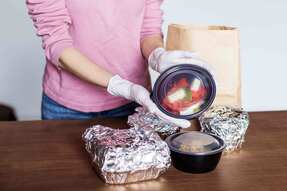 Of all restaurant segments, fine-dining restaurants have arguably met with the most challenges in the past year as many of their hallmarks – from a sole focus on in-dining-room service, to higher-touch interaction with staff – became safety hazards practically overnight. But like much of the restaurant industry, there are disruptors within it who are transforming the experience of fine dining for the current times. One new concept, dubbed The Finishing Gourmet, aims to replicate the experience of fine dining in a home-based setting. Restaurant Hospitality reports that a former Four Seasons executive chef is part of the team that conceived the business, which includes the in-house delivery and upscale presentation of high-end foods that are ready (or very nearly ready) to be eaten, along with such additions as complimentary steak knives and even a chef’s torch to add the finishing touches to a crème brulée. The foods are intended to be delivered contactless and, unlike a meal kit, may require just a few minutes of cooking by a home chef (to sear a steak, for example). If your business once relied on in-dining-room service and prided itself on its human touch, how can you offer those benefits to people at home? Taking cues from catering businesses and meal-kit companies may help you identify new hybrid approaches to recreating the experience of dining in your restaurant – or delivering something close to it.
 Like constant change? Probably not. Even for those who are more comfortable with change, the past year has likely forced too much of it. But what if you could adjust your mindset and your business so that you could better weather, anticipate and (perhaps) even welcome change? A September TD Bank survey of 250 restaurant operators around the U.S. aimed to take the pulse of the industry and find out what strategies have worked for restaurants that have managed to succeed in such a tumultuous year. Three key findings emerged: Off-premise sales are critical and restaurants need to be able to accommodate them (particularly via such consumer conveniences as mobile ordering and delivery). Payment methods including mobile, online and contactless are helping restaurants encourage consumer confidence. Finally, many of the traditional physical characteristics of restaurants are changing to accommodate drive-thrus and pick-up areas, shift to ghost-kitchen formats and decrease overall footprints. So how can this information help restaurants set themselves in a more powerful, less reactionary position for the future? First, scrutinize your off-premise menu and sales to ensure they are practical and profitable. Then adjust. Get comfortable trying new ideas regularly – it will not only help you see what works and what doesn’t, but it will also give you something new to promote to customers. Next, evaluate your payment methods: Do they help you limit face-to-face interactions with customers and also enable you to expedite payment and get a faster, clearer picture of your sales? Finally, take advantage of this time of disruption. Look for new partners and investors, and talk to bankers, landlords and suppliers to identify opportunities to secure more beneficial arrangements.
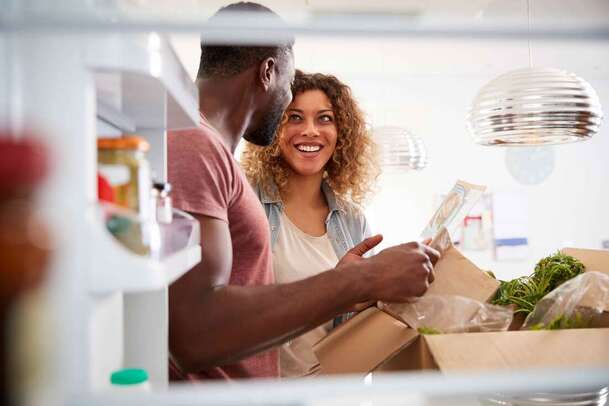 Restaurant operators are natural creatives, but who would have thought that the past year would have required so much creativity – less for planning special events and more for just figuring out how to keep business afloat? The past year has hit caterers especially hard – and required near-constant reinvention across the hospitality sector. As we emerge from the pandemic, it’s likely that restaurant operators will continue to need new operating models and diverse streams of income to fortify themselves going forward. How can you make your business as nimble and adaptable as possible for the long haul? It might involve converting or scaling down your existing real estate for new purposes. Perhaps you can convert your food truck into a door-to-door meal delivery service. Or your former events business into a smaller specialty meal-and-dessert service for virtual meetups. Have a team with big personality and ideas? Create a series of YouTube videos that feature them showing viewers how to throw a festive dinner party at home – and offer a corresponding dinner-and-wine kit available for purchase. Becoming a more nimble operation may involve simply adopting technology to help fine-tune your inventory management, minimize waste and manage labor. Returning to business as usual shouldn’t be a long-term plan for any restaurant business, so what incremental changes can your business make this year to create new revenue streams and cushion against future challenges?
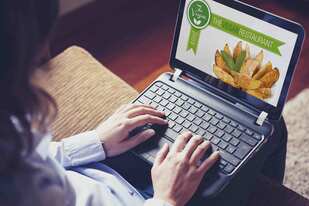 “I don’t have restaurants anymore; I have websites.” That’s what Mike Friedman, chef at the Washington, D.C. Italian restaurant Red Hen, told Eater recently. Last summer, Friedman and his partners at Red Hen and two additional restaurants didn’t feel safe bringing guests back indoors to dine – even when it was allowed – and they instead reinvented their business model to fit the times. That has meant making food that practically generates its own online content. On a rotating basis, the partners launch new pop-up concepts around different regions of Italy and offer food and wine from that region for takeout and delivery. The regularly changing pop-ups create new content for their social media and email newsletter. (What guest wouldn’t want to check out how they are integrating Sicilian citrus into their menu or what red wine will be paired with their Tuscan-themed pop-up?) In the current environment when guests aren’t coming to dine inside your restaurant, can you flip the script and make your website, social media and newsletter create the kind of vibe and excitement around your food that you once thought could only be experienced onsite? The benefits of rotating pop-ups include being able to use a simple, scaled-down menu for a set period of time, having ongoing reasons to get in touch with your customers and promote what you’re doing on a regular basis, and securing a steady stream of customers. You can entice customers with new options – and convince them to order from you now, before their current favorites rotate off the menu.
|
Subscribe to our newsletter
Archives
April 2024
Categories
All
|
 RSS Feed