 Even before the pandemic, the shift from on-premise to off-premise dining was happening. But the pandemic truly accelerated it, and even as people return to restaurant dining rooms now, there is still a way to go before things look the way they did a couple of years ago. To be sure, the trend is especially stark for full-service restaurants – new data from FSR Magazine indicates that in September of 2019, 80 percent of traffic at full-service restaurants was on-premise (compared to 20 percent for carryout), whereas the mix in September of 2021 was 56 percent on-premise, 44 percent carryout. Still, across restaurant categories, an operator needs to make a clear-eyed assessment of their business model in light of current market conditions, then take steps to protect the business for the long term. That means expanding, not limiting, opportunities to serve guests – and resisting the urge to revert back to how you were operating pre-pandemic. Consider new opportunities for catering, particularly as businesses are looking for ways to maintain connections between hybrid workers and clients. Keep communication open with neighboring restaurants and complementary businesses that may be able to pool resources, share staff, or collaborate with you on promotions. Think about how to make it easier and faster for your food to reach guests who want to eat it off-premise, whether that means assessing third-party delivery providers to find the best-possible arrangement, starting an in-house delivery service or using a ghost kitchen.
 After a tumultuous year, restaurants are coming back in a big way – though the landscape is looking different than it did before the pandemic. According to Yelp’s Economic Average report released in April, which tracks the number of restaurants listed on Yelp by restaurant operators and consumers, more new restaurant businesses opened in the U.S. during the first quarter of 2021 than at any other period over the last 12 months. The restaurants across the nation that experienced the most growth during the quarter, the report said, tended to be those that offer takeout, outdoor dining and other Covid safety precautions. Restaurants with food-delivery services experienced the greatest increase – a 22.1 percent spike. This trend is likely to last for some time – at least for restaurants beyond fine-dining establishments – particularly as consumers have taken on new habits over the past year. Does your restaurant have a seamless system when it comes to offering food for off-premise consumption? A Restaurant Business report says it will continue to be important for operators to streamline their processes – e.g. continuing to offer curbside pickup and trimming menus to include items that travel the best, as well as leaning on data a bit more to predict traffic surges and lulls, craft new promotions to drive demand, and manage orders coming from multiple sources.
 As the pandemic has called for people to work, learn, eat and shop from home, attitudes about the best places to live have shifted too. The suburbs and some rural areas have experienced a lift as people have left cramped urban quarters behind. A survey conducted by Zillow last spring found that the rise in remote working was generating a property-buying spike in suburbs and smaller cities. What’s less clear is how temporary that suburban shift will be. As a result, it’s become a bit more difficult for restaurant operators to know who their customers are – and how their preferences may differ from those in pre-pandemic times. Your in-store technology should be providing real-time updates to help you manage business day to day, but it’s important to keep an eye on the larger picture too. Datassential’s Firefly database is one new tool that lets users examine the restaurant landscape in any city or geographical region. It pulls from demographic data including average household income, median age and other factors to help operators get a better sense of how their community is changing – and how they will have to adjust as a result. Overall, the suburban shift has much to offer restaurant operators, including greater flexibility with space, lower costs, and less competition from other chef-driven concepts. A recent report from US Foods says succeeding with
current suburban diners is about offering value and variety, while accommodating their interest in being adventurous.  When you think of top-notch restaurant service, it probably doesn’t look like it did in early 2020. It’s yet another aspect of the restaurant experience that operators have had to reinvent. If you consider your menu alone, your ability to provide the kinds of options customers want is key to providing the kinds of memorable experiences that bring them back. Food trend specialists Innova Market Insights produces an annual report of top 10 trends for the year based on responses from consumers around the world. In their latest report, half of the trends listed are about the need to inform customers about the foods they are eating, explain what health-related benefits they can provide, and offer the option of customizing foods to particular dietary needs and preferences. The research found that 60 percent of global consumers care about where their foods come from – and if they meet key ethical, environmental and clean-label standards. They put their money toward the businesses that meet those standards: 64 percent of consumers surveyed said they have found more ways to tailor their life and products to their individual style, beliefs and needs. They support restaurants that can find ways to bring the restaurant experience home to them with restaurant-branded products, meal kits and sophisticated ingredients to go. And not so surprisingly in a pandemic, consumers are increasingly interested in their immune health and eating foods that meet their individual nutritional needs: 60 percent of respondents are increasingly seeking out food and beverage to support their immune health – with one in three saying their concerns about immune health increased in 2020 over 2019. When you consider your menu, look at it through the lens of consumer transparency and customization. What equipment and cooking processes will enhance not only the taste but also the nutritional value of the food you’re preparing? How can your technology help you proactively select suppliers you’re proud to promote to customers? How can your access to real-time inventory information help you prepare more dishes with fewer ingredients while also adapting to a range of nutritional needs? What special aspects of your menu are specific to your brand and can be packaged up and enjoyed at home?
 To be sure, there are plenty of gloomy news headlines about the restaurant industry right now – and more than ever, restaurants need the support of their communities to recover. But at a time when it is easy to feel overwhelmed by the multitude of challenges standing in the way of rebuilding business, take heart in the examples of operators who are somehow doing better than ever right now. They are succeeding, seemingly, through a combination of letting go of ego, ignoring the desire to keep items on the menu out of sentiment, being willing to flex to new business conditions each day, and focusing on what people need right now – even if it doesn’t necessarily mesh with the polished brand the restaurant had in its beginnings. Take Alinea veteran Eric Rivera of the Seattle restaurant Addo. A report from Wired details, Rivera has been offering an ever-changing menu of items ranging from $9 food bowls, to meal-and-wine packs, to eat-at-home versions of his 20-course tasting menu during the pandemic. He has even thrown in some Game of Thrones- and Seattle Mariners-themed dinners to mix things up. The constant changes give him some new fodder for social media promotion on an ongoing basis, and people are linked from Addo’s social media posts to its Tock sales platform, which allows customers to order meals in advance (and Rivera to better manage inventory and waste). Addo’s dining room now looks more like a warehouse and the employees who once served a roomful of guests are now staffing in-house delivery for the restaurant.
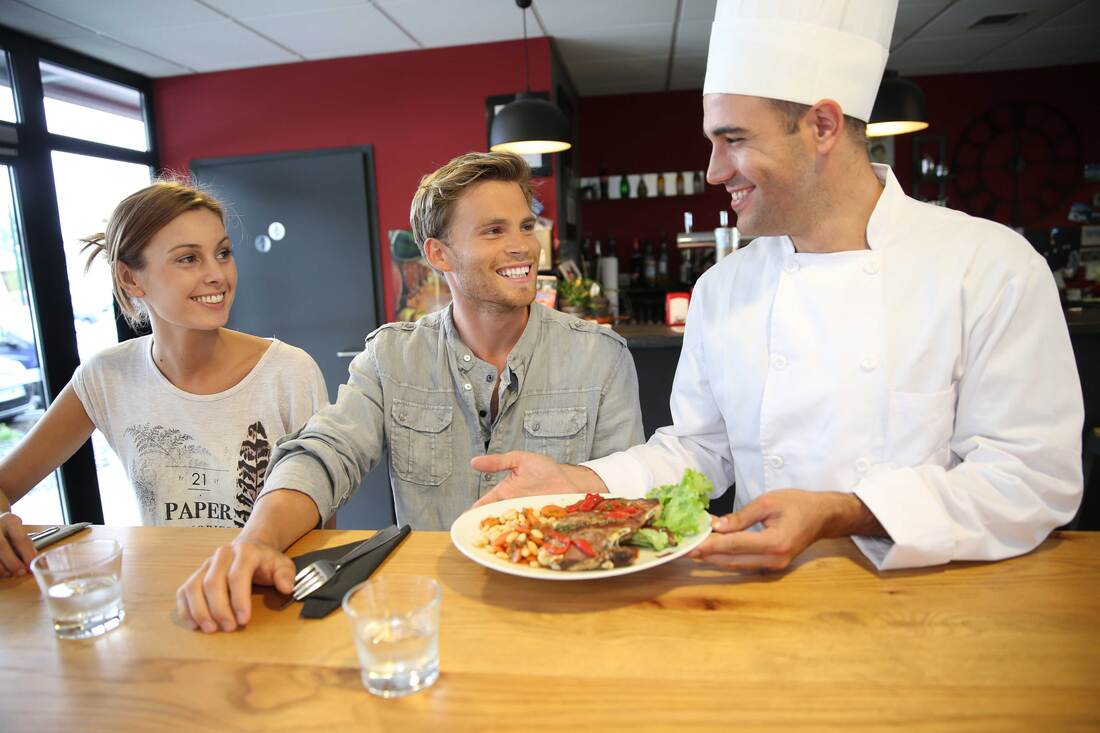 Are you sending customized promotions to your guests based on their past orders? Adjusting your menu or specials based on guest data you have collected? Changing the items you promote on your digital menu when changes in the weather make guests crave different items? The era of hyper-personalized marketing is here – and the more personalized you can make the experience for guests, the better. There are important payoffs for restaurants: A study from Deloitte found that one in five consumers who expressed an interest in buying personalized products was willing to pay a 20 percent premium, and 22 percent of consumers are happy to share some data in exchange for a more personalized service or product. Hyper-personalization was a key prediction in a recent report from Modern Restaurant Management that collected a roundup of insights from restaurant industry experts about the trends to expect in 2020. In the report, Dan O’Connell, CEO of Foodmix Marketing Communications, said he sees the industry taking personalization even further than the “you may like” recommendations that restaurants are using widely now. Think matching flavors to personalities, offering guests personalized recipes and packaging, and serving up customized latte art for every guest who orders coffee. Of course, hyper-personalization makes it all the more inspiring for guests to talk about it on social media. After all, when you feel like a business knows you well and celebrates what you like, you want to tell friends about it.
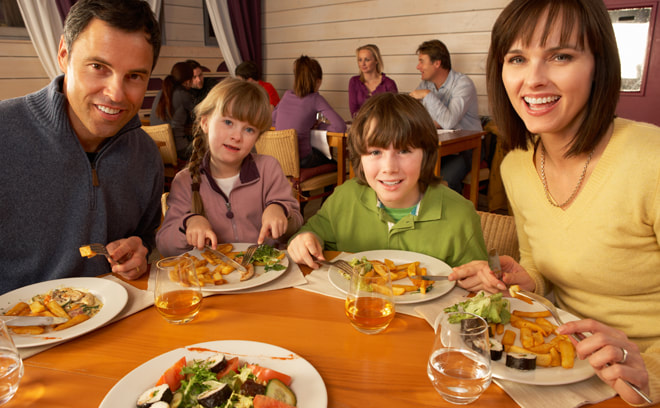 The new year has gotten off to a shaky start across the restaurant industry, according to Modern Restaurant Management magazine’s Research Roundup, which assesses the industry landscape. According to data from Black Box Intelligence based on weekly sales from more than 47,000 restaurants and $75 billion in annual sales, same-store sales growth was down 2.1 percent in December, the worst result for the industry in more than two years. Still, there have been pockets of good news – such as in the family dining segment, which experienced strong same-store sales growth throughout last year. Kids often drive a family’s decision about where to dine – but you don’t have to turn your restaurant into a playground to attract families. If you’re looking for simple ways to boost your family appeal, Restaurant Rockstars advises offering each child a helium balloon (labeled with your restaurant logo) on the way out the door. Host a coloring contest that requires a parent’s email for subsequent contact, then send all applicants a $5 gift certificate to be used on a return visit when they can view their winning entries on display. But even some menu ingenuity – or ideas that appeal just as much to adults as kids – can work. Restaurant Business, for instance, suggests such ideas as offering kid-friendly “flights” of fries, dipping sauces or ice cream in place of alcohol, customizable menu courses or promotions related to local sports teams.
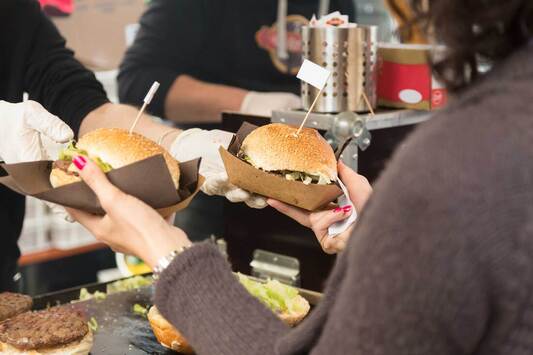 Team Four’s corporate chef identified the rise of food halls as a trend to watch in 2020, and for good reason: There are many significant food hall projects under development throughout the US and worldwide right now, the ones in operation have a strong track record of success (only three projects have failed of the more than 100 that have opened across the U.S.), and they offer low-risk, potentially high-reward environments for restaurant operators looking to take part. If you’re considering adding food halls to your restaurant marketing plan, Touchbistro says they offer a number of benefits and can reduce the substantial risks of opening a new restaurant, such as lower startup costs, shared maintenance expenses, shared infrastructure and shorter, more flexible contracts than you would have to agree to when signing for a conventional restaurant space. Newly added restaurants can hit the ground running in a food hall, benefitting from pre-existing foot traffic and fewer up-front marketing costs. Just bear in mind that a food hall experience may challenge your brand and require you to adapt your existing menu, service approach and marketing efforts. For instance, when you’re one stall in a crowded food hall, the experience of eating your food may feel different for guests than it would in a standalone restaurant – and the hundreds of options and long queues for food can cause overwhelm for some. How can you make your food memorable and your customer experience positive when your surroundings may be beyond your control?
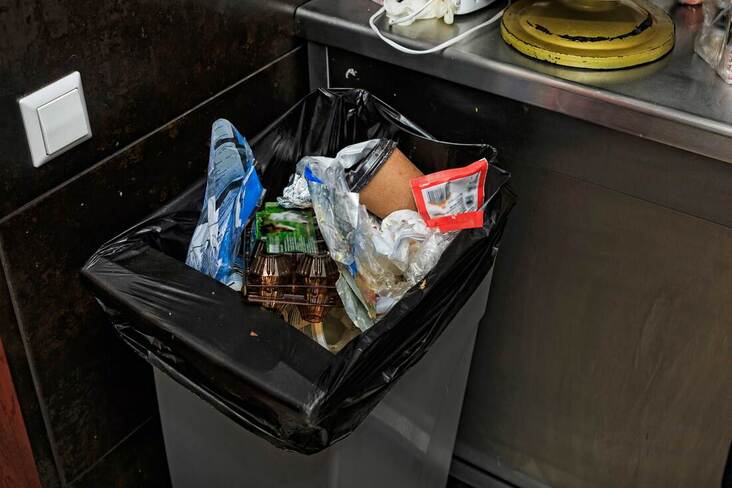 What would it take for your restaurant to eliminate its trash cans? While it may seem like an impossible feat for a business that churns through goods ranging from food products to linens to cleaning supplies each day, thinking about how you might operate if you didn’t have trash cans – at least in the traditional sense – might help you rethink how your operation manages its waste. A recent article in the New York Times relates the stories of a Brooklyn restaurant, Rhodora, which has strived to become a “zero-waste” business in recent months. While its owners readily admit that its practices aren’t perfect, it has taken important steps – largely with suppliers and within its kitchen – to make it possible to winnow its waste down to nearly nothing. With consulting help from other restaurant operators who have minimized their own waste, Rhodera’s owners have researched and switched to suppliers that deliver (by bicycle) bread, eggs and pickled vegetables in reusable containers, and others that have ditched plastic wrap and committed to packaging foods in compostable materials. In the kitchen, they have introduced tools including a shredder that turns wine boxes into compostable material. As a result, they are able to save money and share a positive story with their eco-conscious clientele at a time when food waste is costing restaurants $2 billion in potential profits, according to the USDA. If you’d like to take a bite out of the waste your restaurant generates each year, there are many potential actions you can take, including and beyond packaging and composting. Consider these steps from Toast as a starting point.
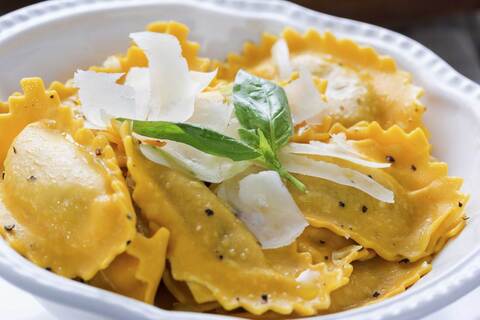 At a time when consumers are eager to sample new trends, tire of eating the same dish repeatedly, and yet have highly customized dietary restrictions and preferences, how do restaurants respond? Operators might tune in to what’s happening at Sweetgreen, which made its mark as a fast-casual salad chain and is now in the midst of scaling up its brand. A recent New York Times report about Sweetgreen said while the chain used to update its basic menu of 10 items every 18 months and offer three seasonal options five times each year, its current lineup of 60 ingredients allows for nearly endless customization – all while ensuring each item tastes like a Sweetgreen salad. As one of the cofounders said in the article, “There is a physical limit to the number of items we can have on that line. Every item has to earn its keep.” You can beat menu fatigue at your restaurant by incorporating limited-time-only choices and seasonal items that guests will expect to disappear in a few weeks. Cycling in new ingredients on top of the foundational workhorse ingredients you use can help you test guests’ response to new items and audition potential keepers. What tactics do you use to make sure your inventory is stocked with menu workhorses – while also allowing for the breadth of new choices guests demand?
|
Subscribe to our newsletter

Archives
April 2024
Categories
All
|
 RSS Feed