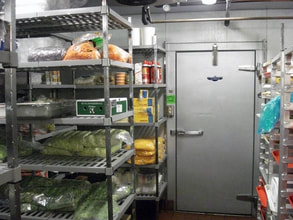
 Rare, difficult-to-source ingredients are so 2019. At a time of high inflation, supply-chain strain and increased awareness of carbon footprints, it has become far more fashionable – and yes, far more necessary – for restaurants to take a pantry-to-plate approach. That means creating mindful menus that make the best use of ingredients you have in plentiful supply each season. Most items you order should be workhorse ingredients with a range of applications – as the star of one dish and a supporting player in another, for example, or as a reliable contributor of depth, texture or nutritional content in a variety of dishes. As an extension of that, now is a good time to review your portion sizes, find creative ways to use every part of an ingredient, and repurpose any leftovers into interesting specials. Food waste costs the hospitality industry over $100 billion a year, and more than 70 percent of that waste occurs before it even reaches a guest’s plate. Adopting tools that automate your inventory management, ensure you’re spending money on the best-value ingredients available, and precisely measure the size of a portion can help you ensure you’re not leaving money on the table.
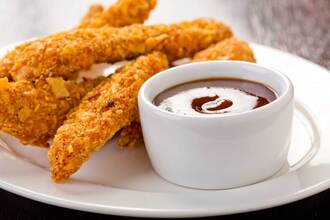 The value menu looks a lot different nowadays at a wide range of quick-service and fast-casual brands. McDonald’s, Denny’s, Burger King and Domino’s are among the companies that are skinnying down their most economical meals. The changes have included decreasing the number of chicken nuggets from 10 to eight, removing price caps on value-menu items and raising the prices of individual items across the menu, according to a recent Wall Street Journal report. Consumers are noticing the changes and facing a decision: Is this restaurant meal worth a few extra dollars (or a little less food) if I can find something less expensive at the grocery store? For some restaurants, this may mean recasting menu items as something special vs. a means of saving money. Understanding your menu cost has become more important than ever in the midst of inflation and supply shortages. Last year, restaurant prices increased 6 percent, the highest jump in nearly 40 years. But just as important as pricing could be how you’re presenting your menu items and promotions to your guests. Mine your data to better understand the dishes your guests love and when they are ordering them. What drives them to order from you? Is it convenience? An end-of-the-work-week treat? Tapping into what motivates them can help you frame your menu in a way that makes the decision to place an order an easier one for them – even if the bill is a little higher right now.
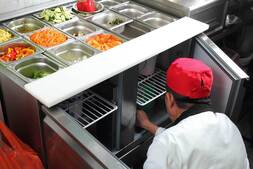 Restaurants and consumers alike have experienced the effects of the current supply-chain crisis, whether in the form of product shortages, delayed shipments, or changes in store hours due to reduced labor availability. (According to a recent National Restaurant Association survey, 75 percent of restaurants have been forced to change menu items due to supply chain issues.) While the challenges are widespread, many of them can be minimized. Consider these actions: Where possible, shrink the number of links in your supply chain between a food item and your guest: Pre-pandemic, this was about helping the climate and cutting waste, whereas now it’s also become a necessity for any restaurant that wants to be more certain of the items it will be able to offer on its menu. Plan farther down the line. According to FSR Magazine the casual dining brand Twin Peaks now places orders 12 weeks in advance when four to six weeks used to provide ample time. Focus on your relationships. In addition to communicating effectively with suppliers and paying bills on time, lean into existing and new collective agreements that enhance your purchasing power. Consider your branding. As operators focusing on chicken wings have learned in the past 18 months, it’s important to give yourself some leeway to broaden your offerings – perhaps to include new cuts of meat, or plant-based alternatives, or different presentations. FSR Magazine also suggests restaurants might consider building up a just-in-case inventory buffer – depending on the perishability and size of items that must be stored.
 In a recent legislative update from Washington, Sean Kennedy, the National Restaurant Association’s executive vice president of public affairs, said the restaurant industry had lost 45,000 jobs at the end of August. Further, new vaccine and testing mandates at businesses with a certain threshold of employees on staff could also make already-challenging staffing conditions even more difficult. To be sure, this is not exactly the Covid-19 recovery that restaurant operators had in mind – but there are efforts underway to try and change that. Industry advocates are urging lawmakers to continue to replenish the Restaurant Revitalization Fund (RRF), though Kennedy says it appears that members of Congress don’t want to add any Covid-recovery measures to the $3.5 trillion infrastructure spending plan in process, which is focused largely on climate initiatives, paid leave, childcare, education and healthcare. Because funding the spending plan will impact businesses in the restaurant industry, however, Kennedy is urging operators to add their names to Restaurants Act, a grassroots organization for the restaurant industry that is looking to generate broad support from the restaurant industry in order to urge lawmakers to continue to fund the Restaurant Revitalization Fund. (The fund closed to new applicants in May and according to a recent announcement from the Independent Restaurant Coalition, 82 percent of independent restaurants are concerned they may close permanently if the fund is not replenished.) You can join or learn more about the effort to refill the fund at Restaurantsact.com.
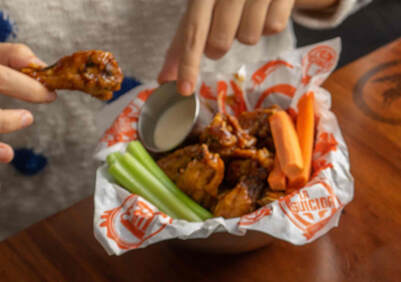 Other than labor, the top challenges for restaurant operators right now are escalating food costs and short supplies, according to recent commentary from Larry Reinstein, industry consultant and president of LJR Hospitality Ventures. (And of course, labor shortages can impact both costs and supplies.) When you look at your operation, where might there be room to flex when the foods you are known to offer are priced out of your budget or are simply unavailable? First, consider what dishes and ingredients on your menu are more variable and adaptable. You may be able to be more flexible with ingredients than you think. Case in point: When Wingstop, which literally has chicken wings in its name, had to keep business going amid a wing shortage in recent months, it offered the alternative of chicken thighs, the National Restaurant Association reports. For every dish you serve, consider how you might reinvent it without a perceived loss of value for the guest – or if you should temporarily replace it until cost and supply challenges shake out. Of course, you may have some room to raise your prices – media reports are spreading the word to consumers that they have not been paying sustainable prices for restaurant food in recent years. But if you must raise prices, look for other ways to elevate the experience you’re providing guests – particularly if you’re already short-staffed and out of popular menu items. This is where the human side of the restaurant business has an opportunity to demonstrate its worth.
|
Subscribe to our newsletter


Archives
April 2024
Categories
All
|
 RSS Feed