 The battle to win loyal guests continues in the restaurant space – and lately, many restaurant brands are vying with each other to stand out in the market with perks including special experiences and merchandise in addition to food. Amid economic challenges like higher interest rates and more controlled consumer spending, loyalty programs have become critical for restaurant brands. However, some brands have been pushing so hard to attract guest sign-ups that those with franchisees are getting some pushback from operators about the new offerings (and therefore delivering an uneven experience with regard to the loyalty rewards offered). If you’re trying to fine tune your loyalty program right now, it’s most important to be able to run it consistently and efficiently. Above all, keeping your loyalty program members interested and engaged means keeping your program simple. It should be easy for your guests to sign up and understand how they can accumulate rewards – and they shouldn’t have to jump through hoops to redeem them. Your guests should have the same loyalty experience across your stores. When you can deliver these things, you may be surprised to see how much your loyalty members value them. Case in point: An annual loyalty survey from Deloitte found that as consumer participation in loyalty programs has increased, it’s been fairly even across paid and free programs. So you may have an opportunity to offer a paid program that allows you to deliver a more premium experience and incentivize additional guest engagement and spending.
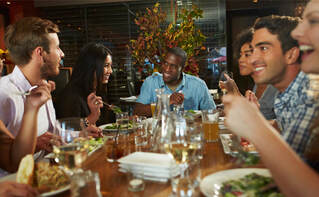 Just a few years ago, the 7 p.m. dinner slot was the most coveted for people looking to dine out. But the pandemic shifted the dinner hour earlier to between 5 and 6 p.m., and it has largely stayed there since. That’s according to a recent Associated Press interview with OpenTable CEO Debby Soo. She supposes that with many people continuing to work from home, consumers may be looking to take a break in the early evening to get out of the house and enjoy a meal. The shift in timing may also change people’s appetites for food and drink, potentially creating more of a gray area between happy hour and dinner. What does your guest data say about people’s preferences right now? Are there more people coming in at 5 p.m.? If so, are they more apt to order bar snacks, share a pizza with friends, get shareable entrees suitable for a family, or order individual entrees? Are they in a happy-hour mood and more likely to order drinks? Could you adjust your food and beverage menus to accommodate those preferences? If you’re not seeing clear patterns in ordering behavior, you might test some limited-time offers and then track how guests respond.
 Most restaurant operators across categories are collecting a lot more data these days from a range of sources – whether it be from their POS system, loyalty program, digital ordering platforms, inventory system, labor management platform or some combination of the above. But when it comes to translating this information into actionable steps to grow sales, traffic and profits, a majority of operators still aren’t making the connection. New market research from Nation’s Restaurant News Intelligence found that 70 percent of operators wonder if they are optimizing the guest data they currently collect. This may be because inadequate data is being collected, or because the data is stuck in silos and isn’t easily or automatically combined to allow operators to extract actionable insights. Sound familiar? Using a data analytics platform – Keboola and Zoho are just two examples of companies in the market – can help you pull data from across your business and convert the information into proactive steps that can help you drive better results. Since your POS is the nerve center of your business, your POS provider may also be able to help you find ways to get your systems to talk to each other and minimize manual effort on your part.
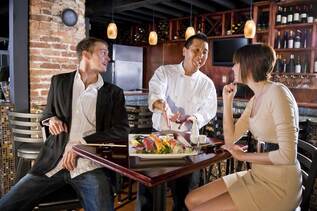 In these uncertain economic times, there has been a lot of talk about how restaurants must build value into the experience they offer guests. This isn’t simply about making guests feel they are getting a good deal, but about making the experience feel like it’s well worth the cost – or that it easily justifies the decision to choose your restaurant over the one across the street, or over preparing a meal kit at home. Delivering that level of experience increasingly requires restaurant operators to anticipate their guests’ needs before those guests even know what their needs are. Collecting and dissecting data to deliver ever-greater levels of customization and personalization can help. As a recent report from Modern Restaurant Management says, technology is enabling operators to capture details about guests at every point of their experience – so they can know that one guest is allergic to dairy, or that she likes eating at a certain table. This also means that a server is equipped with food and drink upsell suggestions based on a person’s previous order. So a server may not necessarily offer the same special to every table anymore but instead can make a targeted seafood suggestion that complements the wine that guests at one table have ordered the past three times they have visited your restaurant – then promote plant-based specials to the vegetarians at the next table. This deeper level of personalization extends to a restaurant’s communications with guests too, so you have a range of targeted promotions going out to subsets of your email or text distributions. This year, how can you make your in-person and electronic outreach to guests feel more personal and less one-size-fits-all?
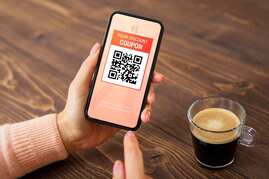 You may not need one – yet. Without a doubt, nailing your loyalty program can pay off: Harvard Business Review reports that increasing your loyalty following by just 5 percent can drive profits up by between 25 and 95 percent. However, Fast Casual reports that although the average consumer belongs to 14.8 loyalty programs, they are active in only 6.7 of them. So while much has been said in recent months about how restaurants can use their loyalty program to set themselves apart and drive business at a highly competitive time, a loyalty program on its own can become simply a discount program – and no great help to you – if it’s not deployed properly. That means tying it to consumer buying behavior, driving more frequent visits, and then learning more from those repeat visits. Your existing guests are your most important ones to focus on here. Before you get to launching a loyalty program, start with maximizing your tech stack – specifically your customer relationship management and customer data platform (CRM/CDP) – to collect information about your existing guests, what they buy from you and when. Once you’re armed with those insights, you will have a clearer path to using that information to influence their future buying decisions (and making them truly loyal members of your loyalty program).
 Restaurant sales are up 8 percent over where they were in June 2019, according to NPD Group’s David Portalatin. While that’s positive news for sure, business conditions are far different from what they were in 2019. People are preparing more meals or meal segments at home than they did back in 2019, whether from scratch or from meal kits. The business-lunch and happy-hour set is now spending more days working (and eating) from home, and the delta variant of the coronavirus is causing anxiety about eating out where it didn’t exist before. That may mean that your once-busy urban location isn’t getting as much traffic and that your suburban location is seeing more delivery and carry-out business. It’s more important than ever to know your guests’ habits – where they are eating, when they are most apt to order a restaurant meal, and what promotions would tempt them to buy a meal or drink from you instead of staying home. Treat each transaction as an opportunity to gather helpful data that you can use to plan your next menu item or promotion – or even your next investment in technology or real estate. At every order, are you gathering information on what items are selling the best and what channels those orders are coming from? Are you incentivizing guests to join your loyalty program and analyzing their orders so you know which promotions are most likely to inspire them to return? Your systems for automatically gathering, understanding and acting upon consumer data are what will help you flex with the fluctuations of the current environment – and better weather whatever challenges might arise down the line.
 After a tumultuous year, restaurants are coming back in a big way – though the landscape is looking different than it did before the pandemic. According to Yelp’s Economic Average report released in April, which tracks the number of restaurants listed on Yelp by restaurant operators and consumers, more new restaurant businesses opened in the U.S. during the first quarter of 2021 than at any other period over the last 12 months. The restaurants across the nation that experienced the most growth during the quarter, the report said, tended to be those that offer takeout, outdoor dining and other Covid safety precautions. Restaurants with food-delivery services experienced the greatest increase – a 22.1 percent spike. This trend is likely to last for some time – at least for restaurants beyond fine-dining establishments – particularly as consumers have taken on new habits over the past year. Does your restaurant have a seamless system when it comes to offering food for off-premise consumption? A Restaurant Business report says it will continue to be important for operators to streamline their processes – e.g. continuing to offer curbside pickup and trimming menus to include items that travel the best, as well as leaning on data a bit more to predict traffic surges and lulls, craft new promotions to drive demand, and manage orders coming from multiple sources.
 As the pandemic has called for people to work, learn, eat and shop from home, attitudes about the best places to live have shifted too. The suburbs and some rural areas have experienced a lift as people have left cramped urban quarters behind. A survey conducted by Zillow last spring found that the rise in remote working was generating a property-buying spike in suburbs and smaller cities. What’s less clear is how temporary that suburban shift will be. As a result, it’s become a bit more difficult for restaurant operators to know who their customers are – and how their preferences may differ from those in pre-pandemic times. Your in-store technology should be providing real-time updates to help you manage business day to day, but it’s important to keep an eye on the larger picture too. Datassential’s Firefly database is one new tool that lets users examine the restaurant landscape in any city or geographical region. It pulls from demographic data including average household income, median age and other factors to help operators get a better sense of how their community is changing – and how they will have to adjust as a result. Overall, the suburban shift has much to offer restaurant operators, including greater flexibility with space, lower costs, and less competition from other chef-driven concepts. A recent report from US Foods says succeeding with
current suburban diners is about offering value and variety, while accommodating their interest in being adventurous. 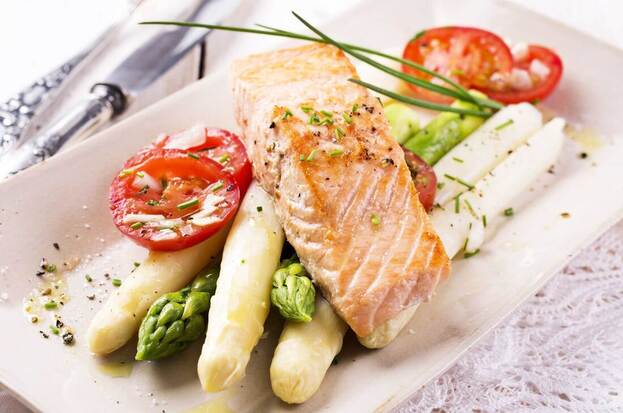 When you think of top-notch restaurant service, it probably doesn’t look like it did in early 2020. It’s yet another aspect of the restaurant experience that operators have had to reinvent. If you consider your menu alone, your ability to provide the kinds of options customers want is key to providing the kinds of memorable experiences that bring them back. Food trend specialists Innova Market Insights produces an annual report of top 10 trends for the year based on responses from consumers around the world. In their latest report, half of the trends listed are about the need to inform customers about the foods they are eating, explain what health-related benefits they can provide, and offer the option of customizing foods to particular dietary needs and preferences. The research found that 60 percent of global consumers care about where their foods come from – and if they meet key ethical, environmental and clean-label standards. They put their money toward the businesses that meet those standards: 64 percent of consumers surveyed said they have found more ways to tailor their life and products to their individual style, beliefs and needs. They support restaurants that can find ways to bring the restaurant experience home to them with restaurant-branded products, meal kits and sophisticated ingredients to go. And not so surprisingly in a pandemic, consumers are increasingly interested in their immune health and eating foods that meet their individual nutritional needs: 60 percent of respondents are increasingly seeking out food and beverage to support their immune health – with one in three saying their concerns about immune health increased in 2020 over 2019. When you consider your menu, look at it through the lens of consumer transparency and customization. What equipment and cooking processes will enhance not only the taste but also the nutritional value of the food you’re preparing? How can your technology help you proactively select suppliers you’re proud to promote to customers? How can your access to real-time inventory information help you prepare more dishes with fewer ingredients while also adapting to a range of nutritional needs? What special aspects of your menu are specific to your brand and can be packaged up and enjoyed at home?
 If you’ve been in business long enough, you likely have a strong idea of what your ideal customers look like, how they order from you and what they like to see from you. But COVID-19 has changed this in a couple of ways. For one, the pandemic has persisted long enough to have created lasting – or at least long-term – shifts in consumer habits and expectations. The times when people eat, what they eat, and who (and how many) they eat it with have all changed. Further, as we power through what we hope are the final months of the pandemic, recovery from it will be uneven across consumer segments. Older guests may hesitate to dine out. Families may sustain their level of takeout ordering or perhaps dine out more often, particularly if they have spent months at home managing home learning. Instability in the economy may dissuade younger consumers from using discretionary income for restaurant meals and beverages as often as they once did. Or you may not see clear demographic-specific sales patterns overall. All told, if you leaned on hunches or impressions to sustain your business before, you will now need to mine your data and be able to make actionable decisions about it every hour and every day. This will enable you to respond to small, frequent shifts in consumer behavior with promotions and menu items that connect with them – and avoid wasting food and money within your business in the meantime.
|
Subscribe to our newsletter
Archives
April 2024
Categories
All
|
 RSS Feed