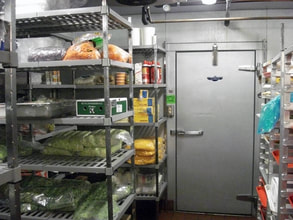
 The holiday rush can put extra strain on your inventory – you want to have the items your guests crave, yet there is also more risk of wastage if you don’t have systems in place to manage your inventory carefully. Operators who have those systems in place, however, can unearth some hidden funds and put them to good use. Restaurants spend between 20 and 40 percent of their revenue on food, according to research form TouchBistro, so there is a lot of potential for saving money (as well as overspending). If you need to bring more rigor to your inventory management practices, a recent report from The Rail provides some guidance. First, you need to create a regular schedule for taking inventory and assign a senior staff member to the task. Place your ingredients into categories and organize your stock to reflect it so items are easy to find during prep and it’s more obvious when items are missing or low. Operate a lean inventory with enough stock to meet guest demand and no more. Track the waste that doesn’t end up in a guest’s dish so you can identify waste patterns and also find potential uses for these leftover ingredients – it helps to use software to precisely measure each recipe’s ingredients. Designate a single person to handle deliveries coming into the restaurant – it can help you maintain a better ordering structure and improve your inventory accuracy. Finally, connect your inventory management system with your POS. As the nerve center of your business, it will help you better anticipate factors that can impact your ordering schedule and key ingredients.
 Supply challenges could persist for the remainder of 2022 and into next year, according to the prevailing commentary from restaurant industry analysts. Consumers are well aware of the shortages and are experiencing them at grocery stores themselves, along with higher prices as compared to restaurants. But with a little planning, you can entice guests to order from you and avoid reminding them of the inventory (and staff) you may lack week to week. Now is a good time to develop a contingency plan for the year, to cover recipes, ingredients, promotions and equipment. First, scrutinize your recipes and look for ways to flex them with a range of ingredients – swapping in different vegetables, grains, sauces and spices, for example. For each dish, have a roster of back-up ingredient options that you can turn to if a key ingredient isn’t available. Be able to make quick adjustments to your physical and online menus based on your supply so guests aren’t in the position of ordering an advertised dish only to be told it’s unavailable. This is yet another year when operators will have to do more with less, so consider how you can serve guests in a way that is as resource-efficient as possible (and then incentivize guests to support you in that way). If you want to elevate your takeout business to ease the burden on your staff or manage better with a skeleton crew, for example, you could offer a discount when guests submit an order for collection before 5:30pm – or whenever your dining room normally begins to get busy. Finally, look at your cooking equipment and try to forecast what is likely to need a replacement or repair. Then, look to simplify your preparation and menu so you aren’t so heavily reliant on individual pieces of equipment that could let you down and take extra time to be repaired or replaced.
 Restaurants and consumers alike have experienced the effects of the current supply-chain crisis, whether in the form of product shortages, delayed shipments, or changes in store hours due to reduced labor availability. (According to a recent National Restaurant Association survey, 75 percent of restaurants have been forced to change menu items due to supply chain issues.) While the challenges are widespread, many of them can be minimized. Consider these actions: Where possible, shrink the number of links in your supply chain between a food item and your guest: Pre-pandemic, this was about helping the climate and cutting waste, whereas now it’s also become a necessity for any restaurant that wants to be more certain of the items it will be able to offer on its menu. Plan farther down the line. According to FSR Magazine the casual dining brand Twin Peaks now places orders 12 weeks in advance when four to six weeks used to provide ample time. Focus on your relationships. In addition to communicating effectively with suppliers and paying bills on time, lean into existing and new collective agreements that enhance your purchasing power. Consider your branding. As operators focusing on chicken wings have learned in the past 18 months, it’s important to give yourself some leeway to broaden your offerings – perhaps to include new cuts of meat, or plant-based alternatives, or different presentations. FSR Magazine also suggests restaurants might consider building up a just-in-case inventory buffer – depending on the perishability and size of items that must be stored.
 Even in the best of times, restaurant margins are thin. Challenges related to the pandemic, labor, food prices and the supply chain only place additional strain on them. But the good news is that there are a number of steps operators can take to cut costs without taking anything away from the guest experience. First, ease supply chain-strains by ensuring your inventory goes as far as possible. Encourage precise ingredient measurement across your menu – Modern Restaurant Management advises operators to measure ingredients in grams vs. ounces for a more precise result. Take stock of your energy use and find ways to use it more efficiently – by turning equipment on only at the time it is needed, using energy-efficient lighting, and adopting technology to monitor your appliances so you can be alerted and act quickly if something isn’t working as it should. Be just as mindful of food waste. To avoid having usable food scraps tossed out, Restaurantowner.com suggests eliminating trash cans in the kitchen and giving each kitchen employee a clear box with their name on it where they can place food scraps so managers can minimize food waste being generated from the kitchen. Where possible, consolidate purchases with a single supplier to gain leverage in purchasing agreements. Finally, make the most of the staff you have by scheduling people in accordance with your anticipated sales and traffic each week – your schedule should not be on autopilot
 Restaurant sales are up 8 percent over where they were in June 2019, according to NPD Group’s David Portalatin. While that’s positive news for sure, business conditions are far different from what they were in 2019. People are preparing more meals or meal segments at home than they did back in 2019, whether from scratch or from meal kits. The business-lunch and happy-hour set is now spending more days working (and eating) from home, and the delta variant of the coronavirus is causing anxiety about eating out where it didn’t exist before. That may mean that your once-busy urban location isn’t getting as much traffic and that your suburban location is seeing more delivery and carry-out business. It’s more important than ever to know your guests’ habits – where they are eating, when they are most apt to order a restaurant meal, and what promotions would tempt them to buy a meal or drink from you instead of staying home. Treat each transaction as an opportunity to gather helpful data that you can use to plan your next menu item or promotion – or even your next investment in technology or real estate. At every order, are you gathering information on what items are selling the best and what channels those orders are coming from? Are you incentivizing guests to join your loyalty program and analyzing their orders so you know which promotions are most likely to inspire them to return? Your systems for automatically gathering, understanding and acting upon consumer data are what will help you flex with the fluctuations of the current environment – and better weather whatever challenges might arise down the line.
 As the supply chain is being impacted by factors including labor shortages, extreme weather, gaps in the availability of raw ingredients, and a spike in demand from consumers returning to foodservice outlets, businesses at every link in the supply chain are feeling the stress. At a time when some foodservice operators have been completely dropped by their distributor(s), the strength of your partnerships is paramount. At the time of this writing, the average fill-rate from manufacturers to distributors was running below 85 percent. But the service level for Premier Value 4 members is considerably higher than this average. That is due to the work our distribution partner, US Foods, is doing to rebalance inventory to provide our members with the best possible service. In recent quarterly earnings releases, US Foods and Sysco disclosed their food cost inflation rates: 8.2 percent and 10.2 percent, respectively. To keep this in context, a normal food cost inflation would be in the 2-3 percent range. Value 4 members have protection against this inflation with contracted manufacturer agreements (CMA). CMA’s give access to 350 vendors covering 105,000 products. Over the past 15 years, inflation on CMA products has been half of the inflation of non-CMA products. Our CMA contracts are firmly in place and while we will not know if that 50 percent “savings” rate is less or more until the current hyper-inflationary period has settled, we are confident that using CMA products is your best protection against inflation – and will offer extra security until we return to conditions that feel closer to normal. If you do not have these protections from your suppliers and partners, consider calling Value 4 to see if you qualify for our programs.
 Summer is here, record-breaking temperatures can be a challenge for operators to do business as usual, or for people to be willing to eat at restaurants outdoors (or even indoors, unless there was reliably cold air conditioning). As we move through summer, extreme weather conditions – whether intense heat, fires or hurricanes that knock out electricity or otherwise impede business – will continue to be a threat to different parts of the country. But if the pandemic taught the restaurant industry anything, it taught us how to flex in response to a changing situation. Now is a good time to review your emergency management plan: If your facility is hit with a power outage, for example, will you be alerted right away? What actions should this trigger with regard to preserving inventory, safeguarding your facility and contacting employees? If a heat wave strains the energy grid and knocks out your air conditioning, how could you flex your service model, hours, menu and staffing to avoid short-term closure? To be sure, many challenges that come along may be out of your hands. But if you can prepare cloud-based back-up plans to guide you through how to shift operations in different potential scenarios, you may be able to ride out the challenges a little easier.
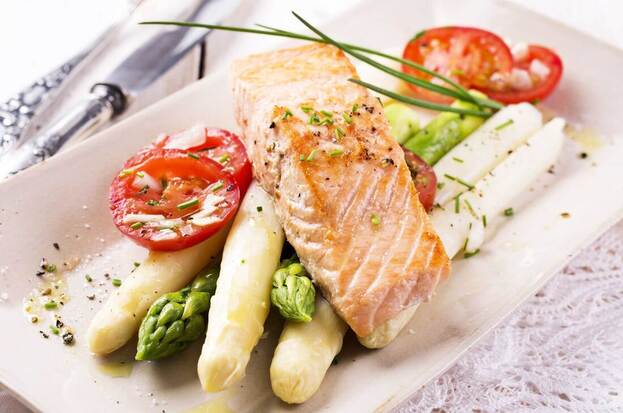 When you think of top-notch restaurant service, it probably doesn’t look like it did in early 2020. It’s yet another aspect of the restaurant experience that operators have had to reinvent. If you consider your menu alone, your ability to provide the kinds of options customers want is key to providing the kinds of memorable experiences that bring them back. Food trend specialists Innova Market Insights produces an annual report of top 10 trends for the year based on responses from consumers around the world. In their latest report, half of the trends listed are about the need to inform customers about the foods they are eating, explain what health-related benefits they can provide, and offer the option of customizing foods to particular dietary needs and preferences. The research found that 60 percent of global consumers care about where their foods come from – and if they meet key ethical, environmental and clean-label standards. They put their money toward the businesses that meet those standards: 64 percent of consumers surveyed said they have found more ways to tailor their life and products to their individual style, beliefs and needs. They support restaurants that can find ways to bring the restaurant experience home to them with restaurant-branded products, meal kits and sophisticated ingredients to go. And not so surprisingly in a pandemic, consumers are increasingly interested in their immune health and eating foods that meet their individual nutritional needs: 60 percent of respondents are increasingly seeking out food and beverage to support their immune health – with one in three saying their concerns about immune health increased in 2020 over 2019. When you consider your menu, look at it through the lens of consumer transparency and customization. What equipment and cooking processes will enhance not only the taste but also the nutritional value of the food you’re preparing? How can your technology help you proactively select suppliers you’re proud to promote to customers? How can your access to real-time inventory information help you prepare more dishes with fewer ingredients while also adapting to a range of nutritional needs? What special aspects of your menu are specific to your brand and can be packaged up and enjoyed at home?
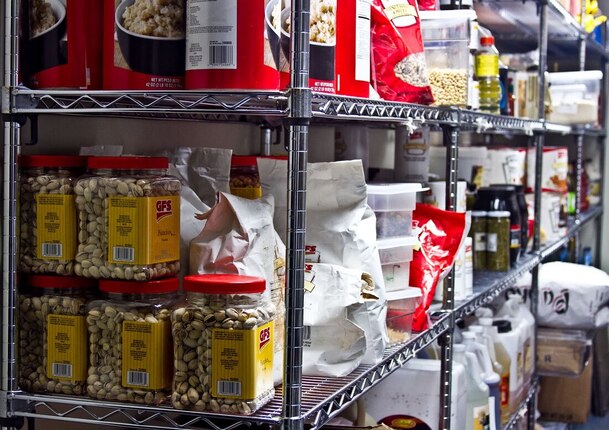 This year has demonstrated the power of managing your inventory like a pro. As operators have had to shift to offering takeout only, inventing new business models, partially opening their dining rooms, and responding to evolving consumer habits all within the space of days or weeks, they have had to ensure their inventory can keep pace. The next several months could bring even more ups and downs for restaurant businesses, so what is the best way to ensure you’ve got enough (but not too much) of the right ingredients at the right time, when you your traffic may be difficult to predict? Befriend your freezer and stock it with batches of foods ranging from soups to sauces to vegetables in an effort to extend your inventory and minimize waste. Prepare some extra portions of frozen meals that can be promoted and sold individually to guests – or offer a promotion to dine-in guests who may want to purchase extra portions of their favorite fresh dishes. Consider brining vegetables as shelf-stable (and on-trend) side dishes – and preserve fall fruits in dried form or in sauces or chutneys. If you have operated as a grocerant in recent months, keep it going. Do a detailed assessment of each item on your menu to confirm its actual cost to make sure you’re minimizing waste and maximizing profit.
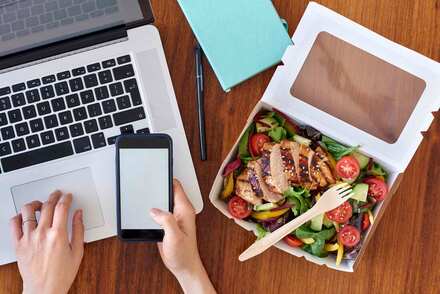 Consumers are willing to pay a subscription fee for everything from podcasts to vitamins to tech gadgets these days. So why not their favorite restaurant? According to research from the Global Banking and Finance Review, 70 percent of business leaders say subscription-based business models will be central to their future prospects – and yet for many businesses across different industries, subscriptions remain an area of untapped potential. When it comes to restaurants, subscriptions for drinks, food and really anything consumers crave may an emerging way for foodservice businesses to monitor loyalty to their brand and build in some longer-term sales security through recurring revenue. Grub Street reports that Panera, for example, which launched a monthly coffee subscription service for $8.99 last winter, is now considering other ideas including a lunch subscription service focused on kids who are learning from home this fall. It’s easy to see why: A parent who has paid for their child’s lunch subscription is more likely to make a point of coming to Panera for lunch – and perhaps ordering a meal of their own. If you have been offering meal kits or dessert boxes or family-style dinner bundles during lockdown, these items could easily convert to subscription-based services that not only give you some advance warning to source the items you need in your inventory, but also help you secure some recurring revenue for the uncertain months ahead.
|
Subscribe to our newsletter
Archives
April 2024
Categories
All
|
 RSS Feed