 The new season brings new food to the menu and will likely inject some new energy into your restaurant as tourism season begins in many parts of the country. As Ashish Alfred, chef and owner of the Alfred Restaurant Group, told Modern Restaurant Management recently, it’s a good time to do some spring cleaning to make sure the back of your house is ready – and to give it a refresh if not. That includes taking a careful look at your menu to ensure you’re focusing on quality over quantity with your options, as well as making sure you’re doing so in a way that is profitable, minimizes waste and simplifies food preparation for your staff. Doing more with less extends to other areas of your business too: Enhance your efforts to cross-train staff to build skills across your team, identify opportunities to automate or simply food preparation and compliance tasks, and review supplier contracts to make sure you’re getting the most you can from your agreements. You may also be able to extend the reach of your business in low-labor ways through online ordering and delivery. Then, think about how you might provide creative, experiential, high-value experiences for your guests in the months ahead. Depending on the range of guests you serve, that could mean planning a series of onsite events that showcase your chef or specialty menu items, or finding new ways to get your food onto guests’ tables in their homes and offices.
 Just a few years ago, the 7 p.m. dinner slot was the most coveted for people looking to dine out. But the pandemic shifted the dinner hour earlier to between 5 and 6 p.m., and it has largely stayed there since. That’s according to a recent Associated Press interview with OpenTable CEO Debby Soo. She supposes that with many people continuing to work from home, consumers may be looking to take a break in the early evening to get out of the house and enjoy a meal. The shift in timing may also change people’s appetites for food and drink, potentially creating more of a gray area between happy hour and dinner. What does your guest data say about people’s preferences right now? Are there more people coming in at 5 p.m.? If so, are they more apt to order bar snacks, share a pizza with friends, get shareable entrees suitable for a family, or order individual entrees? Are they in a happy-hour mood and more likely to order drinks? Could you adjust your food and beverage menus to accommodate those preferences? If you’re not seeing clear patterns in ordering behavior, you might test some limited-time offers and then track how guests respond.
 High food costs continue to impact restaurant operators’ bottom lines. Even though overall inflation has been easing and foods purchased in grocery stores have been costing less than those offered at restaurants, restaurant costs (and many operator expenses) remain high. As a result, consumers may be giving menu prices some extra scrutiny right now — or skipping restaurant meals altogether. In fact, a recent report from AlixPartners found that instead of trading down on restaurant food, consumers have been cutting it out in an effort to protect their budgets. So it’s important to ensure you’re reaping the most benefit from the items you offer. There are a number of actions you can take. You may already be reducing portions and shrinking your overall menu size, and while this is helpful for waste reduction and cost savings, it also leaves room for guests to add to their dish. Play on their desire for customization by offering a selection of ingredient add-ons and side dishes that guests can add to their meal that incrementally increase the price of a dish without giving people sticker shock. Make the most of the sales you get by engineering your menu so its layout naturally leads the guest’s eye to items that generate the most profit for you (and cost your menu so you are well aware of what those menu items are). Finally, lean on other streams of income. Retail items and licensing opportunities may help you generate sales in the background and allow you to smooth out dips in your sales of menu items.
 While the economy is still struggling, it doesn’t seem to be putting a significant dent in consumer spending in restaurants. According to Paul Westra, managing director of restaurant investment research at Capital One, consumers are only dining out 10 percent less than they were in 2019. He predicts that any recessionary impact on consumer spending is more likely to occur in the second half of this year – so in the meantime, restaurants have an opportunity to maximize profitability and build up a cushion ahead of a possible slowdown. Dynamic pricing may help operators make the most from busy periods and drive traffic during slower periods. In fact, Restaurant Dive includes dynamic pricing among its predicted trends for 2023, saying the ability to adjust pricing based on factors such as weather, time of day, or local events may help protect restaurants’ bottom lines. Just tread lightly on changes. While consumers tend to understand the need for restaurants to inflate prices to compensate for supply shortages, inflation and overall operating costs right now, they may be more cynical about seemingly random shifts in price. Be prepared to answer questions from guests, particularly if they have noticed your business elevating costs for premium ingredients or the costs of taking care of staff.
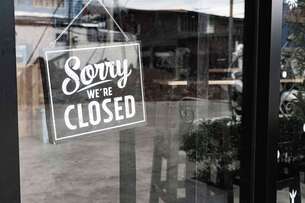 Your business has likely been taking a range of actions to manage inflation and lower costs, from revamping the menu to working with a smaller staff. But according to the latest edition of PYMNTS’ Digital Divide Study, which surveyed over 2,300 restaurant customers in the U.S., the biggest change that consumers noticed restaurants making right now was reducing their hours or closing their dining rooms (49 percent). This figure was well above the percentage of guests who noticed longer order processing times, lower-quality service or lower-quality food in restaurants. While closing dining rooms and reducing hours may be unavoidable for many operators in the midst of a labor crunch and high inflation, the fact that such a large percentage of consumers are noticing this change indicates that restaurants could be missing sales opportunities and likely turning off potential guests who seek them out only to find they’re not open. If you’re open less frequently right now or have closed your dining room, regularly ask for guests’ feedback about what they like and when they eat your food – and mine your tech for this data – to ensure that you’re making the most of the more limited service you’re offering. That could call for changing up your menu to ensure it includes only your most profitable items, or, if you have a loyal following who used to visit your dining room regularly, offering promotions or other experience-boosters to entice them to pick up carryout from you. At the very least, make sure your restaurant’s hours and available service are up to date on your website, social media and search engine listings so guests aren’t chasing you down only to be disappointed you’re not open.
 To be sure, restaurants are still feeling the pain of inflation -- even more so than other sectors of the economy. In the last quarter of 2022, some operators scaled down their hiring plans, even over the busy holiday season, according to a report from Alignable. But a recent report from CNBC indicates that inflation impacts large, national or international brands differently than it impacts smaller independent brands -- and surviving this period of high inflation is about all of these businesses leaning on the different advantages they possess. For instance, powerful brands like Starbucks or Domino's can use their size and buying power to leverage better prices on ingredients -- but being nimble enough to make quick menu changes can be far more difficult for them. On the flip side, while independent brands may lack the resources and buying power of larger brands, their reputation for authenticity can benefit from public goodwill. Consumers tend to want to support small businesses in tough economic times. With that in mind, restaurants can lean into their unique advantages -- large brands can play up the value they can offer right now, while smaller ones may have more leeway on price if they can promote the authenticity of their brand and the people behind it.
 As consumers have paid more at the grocery store and elsewhere due to rising inflation in recent months, they have largely taken rising restaurant costs in stride. But recent reports indicate this could be changing as some foodservice businesses have continued to raise prices after covering their own inflation-related costs. Some operators, particularly of fine-dining restaurants, are now receiving pushback from regular guests taking issue with added fees that don’t seem to add up – whether it's the doubling of the cost of a bowl of pasta or an inexplicably higher corkage fee for a bottle of wine. To be sure, in an industry of slim profit margins and amid forecasts of a looming recession, operators may be trying to eke out a financial cushion wherever they can. Just know that you may get some resistance from guests – and you may be pushed into a situation where you are honoring previous prices for loyal patrons or otherwise bending your own rules to keep guests coming back. Prepare your staff by explaining the reasoning behind any significant price increases you have implemented, helping them answer guest questions with transparency, and, where possible, avoiding making price increases that may appear to have a flimsy rationale backing them up. To help make big pricing jumps less necessary, bring as much efficiency to your kitchen as possible – from ingredient selection, to waste management, to portion sizing. For example, many chefs report shopping farmer’s markets regularly to integrate even more local, plant-forward options into the menu where possible, since this can minimize significant price spikes and help a restaurant avoid passing them on to guests.
 How much of a price increase is too much for guests? Amid record-setting inflation, it’s a question that many restaurant operators are struggling to answer. A recent study by Revenue Management Solutions may provide some insight into the tipping point. While the research focused on quick-service restaurants, it provides a starting point for assessing price across the menu in other restaurant categories – and an incentive to maximize profitability and value. QSR Magazine reported that RMS analyzed in-store price increases during the second quarter of this year over the second quarter of last year at 25,000 quick-service restaurant locations across the country. It found that net sales hit their highest point at around 13 percent. Beyond that, price increases negatively impacted traffic so much so that net sales began to decline. Further, some locations found that declines in traffic began at around the 6 percent increase mark. While this study represents one data point to consider, it reinforces the need to ensure your individually priced items maximize profitability when it comes to ingredients and labor. Where you have menu items that can easily be bundled to boost check totals, emphasize value – consumers continue to seek it out as a means of justifying food spending.
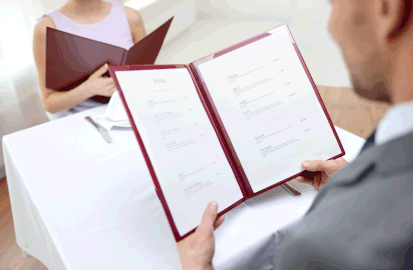
 According to Datassential, 60 percent of restaurant menus have gotten smaller in recent years. As menus have slimmed down and inventories have had to stretch farther, the language you use to present your menu items becomes that much more important. Your menu is also one of the first things a potential guest sees from your restaurant if they order online, so it needs to create the right first impression about your brand. That’s something that may need some attention at your restaurant as you update the language you use on your menus to accommodate a newly streamlined selection or a shifting supply of ingredients. As Guillermo Ramirez, creative director of the Miami marketing agency Gluttonomy Inc. told Eater recently, “The menu is just like a business card.” It needs to encapsulate your business and accurately reflect its brand and values, in addition to what you’re serving, while leaving some room for surprise. At the same time, you want to hold guests’ attention and make every word count. In your menu descriptions, consider including the names of key ingredients, along with brief, vivid descriptive words that engage the senses, as well as a word or two on how the dish is prepared. Highlight any premium ingredients you’re using, along with local suppliers that guests may know. Eliminate jargon to ensure you communicate clearly and avoid creating the wrong kind of surprise about what they are ordering.
 Record-setting inflation and ongoing food supply problems have transformed menus – but chefs are finding that the transformation can be for the better. As Fortune reported recently, food inflation’s effect on the price of many popular kinds of seafood has resulted in chefs serving up lesser-known, exotic alternatives. One example: the snakehead fish available on Maryland’s Eastern Shore. It’s a frightening-looking cross between a catfish and an eel that happens to be a delicious crowd pleaser – and even better, only $6 for a whole fish. Other operators have needed to remove much-loved signature items from their menu because the costs just don’t add up. The owners of Chicago’s Parachute removed their signature bing bread from their menu, not only because of the 63-cent profit it generated for the restaurant but also because lower-cost substitute ingredients weren’t cutting it and there was a significant amount of labor required to produce it. They wanted to move toward a more equitable system that compensates staff better, and the bread wasn’t helping them get there. Looking across your menu, are there items that drag down your profits, overall food quality or staff compensation? In a recent interview, Chef Kathleen Hoffman, senior culinary manager for U.S. Foods, said in the current climate, she is focusing on helping chefs create scaled-down menus that address all of those challenges: “We help them winnow their menu down so they do five things really well instead of 10 things just okay,” she said. “The days of the 20-page menu are over.” For chefs, this often means making the call to remove menu items that guests love and have come to expect. Just trust that doing so can actually help you protect your business for the longer term.
|
Subscribe to our newsletter
Archives
April 2024
Categories
All
|
 RSS Feed