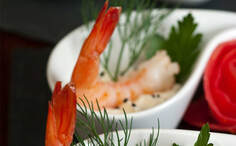
 Stretching your menu and making it more exciting can be as simple as changing up your presentation. How might you add interest to your appetizer menu by shaking up guests’ expectations about a classic option? Try creating your own spin on sliders, serving wings with a new dipping sauce, or offering spring rolls with spicy Mexican fillings. 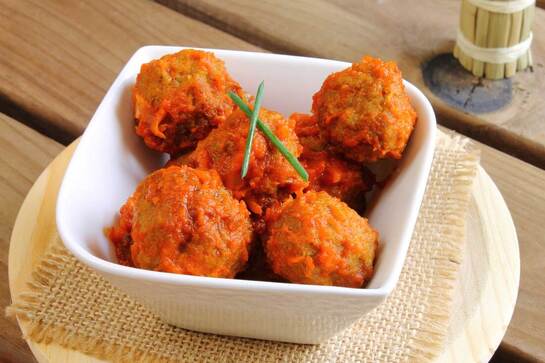 Your menu of appetizers and small plates is an ideal place to test global flavors, experiment with a range of proteins and monitor the response to limited-time offers that have the potential to become menu mainstays. Options like coconut shrimp with tangy tomato dipping sauce are easily shareable and offer up tropical flavor that’s a little sweet, a little savory and very craveable.
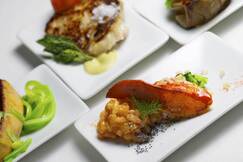 At a time when small plates, all-day snacks and off-daypart meals continue to be in demand, your tapas menu can be a great draw. In addition to crowd pleasers like croquettes or potatoes with aioli, try to create some balanced meals in miniature form to elevate your menu. Adding some spice or heat can help too. Options like chicken tapas with sweet potato puree and green chili salsa tick all of the boxes for a satisfying small plate.
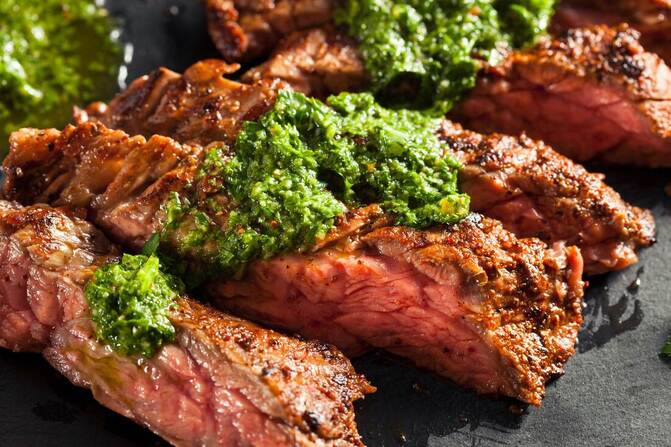 What chef doesn’t want a ready supply of simple, versatile sauces and marinades? Chimichurri sauce can liven up a variety of dishes and, in keeping with its Argentinian roots, is an especially good complement to beef. Serve it atop steak crostini for a colorful, satisfying addition to your selection of small plates or appetizers.
 Do your guests have entrée fatigue? Whether it’s about not wanting to commit to an entire dish, the growing power of snacks on the menu, or the desire to sample and share (in person and on social media) many different types of food, the trend of smaller plates doesn’t seem to be going anywhere. There are clear benefits for restaurants. A report for Upserve says small plates can encourage guests to be adventurous, manage their calorie intake (and guilt), enjoy more social time with those sharing plates with them, and photograph the experience for Instagram. On restaurants’ end, small plates can encourage your chef’s creativity and help you generate specials and limited-time offers that generate interest among guests. But they’re not for everyone – smaller restaurants tend to be best suited to them – and offering them can require any restaurant to make adjustments. As a report for Uncorkd says, small plates call for a different kind of service structure, organization and communication than more traditional entrée service requires. Your menu should clarify the size of the plates (and how many items will be included) so a four-top isn’t disappointed when three items arrive on a plate. If an item is meant to be shared, deliver it in shareable form – and ensure tables can be cleared of empty plates promptly so there is room for more. Ensure your servers are clear about how many plates you recommend per guest to provide the satisfaction of a full meal. Speaking of communication, small plates require both flexibility and organization: Your server should understand if a table prefers to receive plates all at once or as soon as they are ready – and also if the kitchen can make that kind of staggering possible – and communicate accordingly.
|
Subscribe to our newsletter

Archives
April 2024
Categories
All
|
 RSS Feed