 Like never before, restaurants are gaining new tools to collect guest data and mine it for increasingly precise insights. This information is feeding limited-time offer ideas and menu development, as well as expanding operators’ capabilities in terms of the targeted communications they can send to subsets of guests. It’s also shifting the competitive landscape for restaurants as businesses adopt restaurant technology in varying degrees. Sweetgreen’s CEO, for example, recently announced that the salad brand would like to do for the menu what Spotify did for the playlist – in other words, identify exactly what ingredient and nutrient combinations people want and need to eat, then executing that to a specific degree. Expedite reports that Sweetgreen’s robotic technology, currently in use in two of the brand’s 225 locations, can dispense all of the restaurant’s 55 ingredients with the exception of avocado and salmon, which require human intervention. So far, the technology is proving to lift check totals and margins (it can measure ingredients down to the gram, eliminating waste). The planned expansion of this offering sets the stage for guests to not necessarily order off the menu, but to get customized recommendations based on the information they are willing to share about themselves. To be sure, most restaurants won’t be investing in the kind of robotic technology that is in place at Sweetgreen. But the changes at Sweetgreen – and similar changes at other brands – are apt to incrementally move the needle when it comes to consumer expectations. What mechanisms can you put into place that will allow you to address a range of dietary needs and preferences?
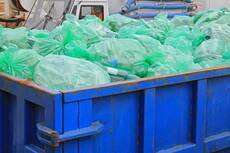 As more businesses adopt environmental goals as part of their corporate practices, restaurants and related vendors are doubling down on waste management too. Chipotle recently announced that it is expanding composting across its more than 3,200 stores – and CNBC reports that waste management is one of the goals that the restaurant’s executive compensation bonuses are based on. For their part, Uber Eats is also offering restaurants grants worth $10,000 to switch to sustainable packaging as part of its plan to remove all unnecessary plastic waste from deliveries this year. How do sustainable practices factor into your operations this year?
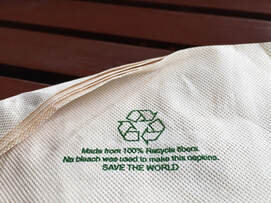 Environmental friendliness means a lot more to today’s consumers than it did just a few years ago – and to accommodate that change, restaurants are making changes well beyond the food they serve. For example, Taco Bell’s planned installation of electric vehicle charging stations in more than 100 of its California restaurants this year is not only a nod to its environmentally aware guests in the state. It also has the potential to help the brand pull business from convenience stores, which, as Modern Restaurant Management put it recently, have been taking a “larger piece of the quick-service restaurant pie” with their ability to combine multiple service offerings in one stop. Considering the habits and values of your guests, how might you demonstrate your environmental awareness in creative, convenient ways – whether large or small, and both on your menu and beyond it?
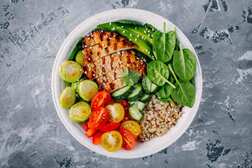 Do you have guests who like to know that what they are eating isn’t only good for their health but is also environmentally sustainable? This mindset, which has become more widespread since the start of the pandemic, is likely to expand further as American consumers struggle to manage high inflation. The average American family of four wastes $1,500 of food each year, according to Earth.org, and rising grocery bills make it that much more important to minimize waste. Chefs are in a powerful position to continue to move the needle when it comes to the consumer mindsets and habits that generate food waste. While chefs have long found creative ways to use excess vegetables in soups and other dishes, minimizing waste is now less a case of slipping a less-than-perfect carrot into a stew than actively promoting menu specials because they contain ingredients that might otherwise go to the compost bin. Nation’s Restaurant News reported recently that Michael Guiess, chef at the University of North Carolina at Chapel Hill, developed a pop-up menu feature dubbed the Low-Waste Bowl. The bowl’s ingredients, which change depending on what is available, have included such items as roasted carrots, herb-braised celery and watermelon rind pickles, as well as grains like brown rice or sorghum. The common elements woven through the bowl are that they feature healthy ingredients and cut down on waste. The popular feature has won industry accolades and helped the foodservice operation glorify ingredients that may be slightly past their prime but still have health-preserving (and money-saving) benefits.
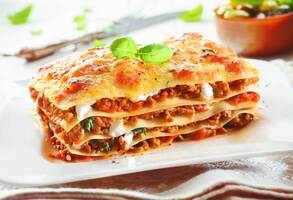 When supplies are unpredictable and it’s more critical then ever to minimize waste, restaurants need to find ways to make use of every ingredient they have on hand – even when those ingredients are changing week to week and season to season. Being nimble with ingredients – and not necessarily hiding that from customers – can help. As described in a recent Nation’s Restaurant News report about how restaurants will be operating in the near future, Puritan & Company in Boston has gotten creative about adapting its menu to whatever stock it has on hand. The chef there has a $22 dish on the menu dubbed the “kitchen sink” lasagna. It incorporates whatever vegetables the restaurant happens to have available, as well as any excess meat it has at the time the dish is offered. If a kitchen-sink-type dish won’t work on your menu, think about how you might best cross-utilize ingredients across multiple dishes. It minimizes waste, utilizes labor more efficiently and typically improves overall business results. Restaurant brands ranging from McDonald’s to Olive Garden to Taco Bell have trimmed their menus in recent quarters. Instead of turning off customers, the move has improved performance across the board because it has enabled the restaurants to focus on churning out more of its most popular items to larger numbers of people.
 Your to-go packaging says a lot about you: Before a customer even sets foot in your restaurant, your packaging immediately communicates messages about not only your brand identity but also about how much you value customer safety, the environment and the quality of your off-premise food. Now that we’re emerging from the pandemic, more operators are picking up where they left off with innovating the packaging and cutlery they include with their off-premise meals. Shake Shack, for one, recently announced it is testing sustainable cutlery and straws from AirCarbon, which includes no synthetic plastics or glues in its products, doesn’t need food crops in its production process, and produces items that are home-compostable, soil-degradable and ocean-friendly. Edible packaging is on the rise too, with materials like mushrooms being fashioned into bowls and seaweed being tested as a plastic-like but biodegradable alternative to traditional plastic cutlery. If you’re currently evaluating the carbon footprint of your menu, consider the entire carbon footprint of the meals you provide (including the containers surrounding them). Of the 78 million tons of plastic packaging produced around the world each year, only 14 percent is recycled, according to the Ellen MacArthur Foundation. Off-premise dining isn’t showing signs of slowing down, and in the months and years ahead, the way you present your food for consumption off-site is likely to play an increasingly important role in how customers perceive your business.
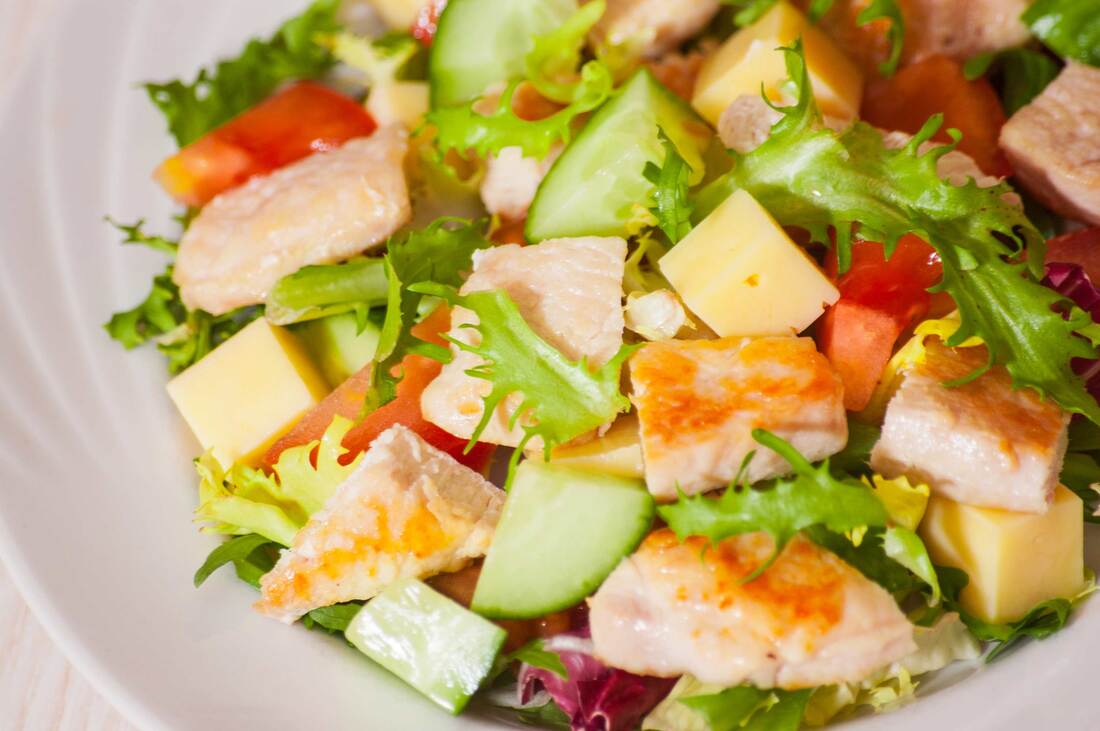 Restaurants have touted their environmentally friendly practices to consumers for some time – offering local produce, minimizing their waste and changing up their to-go packaging. In fact, the National Restaurant Association reported that back in 2018, more than half of consumers said they would be likely to choose a restaurant based on its eco-friendly practices, such as water conservation and recycling. But some restaurants are now raising their game a step higher in an effort to appeal to guests who are passionate about minimizing their impact on the environment. The fast-casual brand Just Salad announced recently that it would be launching a “climatarian” menu available to customers who order via its web and digital channels. The Spoon reports that guests can select a dish based on its carbon footprint or, in the case of meat lovers, opt for a “conscientious carnivores” dish. Guests will be able to determine the environmental impact of their build-your-own salad offerings too. Expect to see more restaurants drill down on – and promote – details about their sustainability efforts in such ways. According to research from IRI and NYU Stern Center for Sustainable Business, Millennial consumers are most likely to purchase products marketed as “sustainable” – these items are popular across demographics as well – and this trend has held true throughout the pandemic. At the same time, consumer expectations are rising when it comes to the craveability of the eco-friendly foods they buy. Darren Seifer of NPD Group said recently that the food industry needs to maintain and market the taste, health benefits and environmental impact of its offerings to continue to draw eco-conscious consumers.
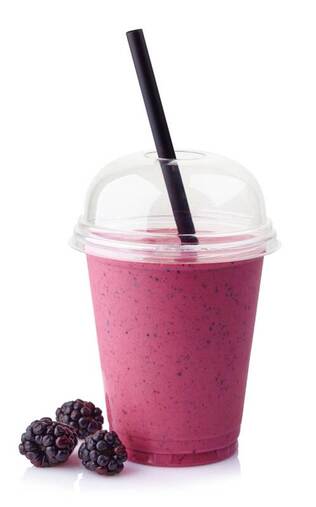
 Reusables are on the rise, if the latest news from McDonald’s and Starbucks is any indication. The brands are backing a pilot program called the NextGen Cup Challenge, which involves developing reusable plastic cups with trackable QR codes or RFID chips. Bloomberg reports that the cups are intended to be returned by customers, cleaned and then reused in an effort to take a large bite out of the billions of plastic-lined paper cups discarded by customers of the two brands each year. Is there opportunity for returnable, reusable cups, plates and utensils in your operation? A number of brands – large and small – are providing models for how it can be done. Nation’s Restaurant News reports that the 40-unit fast-casual brand Just Salad has offered a reusable bowl program for close to 15 years – guests who choose their reusable bowls get a free topping on their salad each time. (The brand recently launched a sustainability initiative that rivals those of much larger brands.) It remains to be seen if such incentives will become necessary as restaurants offer more reusable items. Other chains are taking different approaches: The Counter reports that the fast-casual brand Dig, which estimates that 80 percent of its business is take-away, recently launched a program called Canteen. Enrolled guests install a smartphone app and pay $3 each month for a hard reusable bowl that they can return to Dig for washing (and subsequent refilling).
 Has your restaurant resolved to use less plastic in 2020? It seems everyone has some plastic guilt nowadays – and there are businesses cropping up to help operators replace plastic and also find new uses for the plastic that already exists. Take Riegel Linen, which was among eight companies to win Restaurant Technology News’s “Restaurateurs’ Choice Award for Environmental Good” competition. The company, which makes linens for a range of industries, found a way to integrate leftover plastic bottles into its textiles. Riegel Linen collects, sorts and inspects plastic bottles, then sterilizes and dries them before crushing them into chips, Restaurant Technology News reports. Once melted down, the material is made into a new fiber that Riegel Linen uses to make napkins and tablecloths. Its RieNu napkins are made from 100 percent post-consumer recycled polyester.
 As consumers have demanded packaging that’s friendlier to the environment, operators have quickly replaced plastic straws with paper alternatives, and plastic containers with packaging containing natural materials. But as an investigation by the New Food Economy found recently, the fiber bowls that are widely used in place of plastic contain chemicals known as PFAS that don’t biodegrade and aren’t really compostable, despite being labeled as such. On the contrary, they may actually be making compost more toxic. San Francisco is the first city to ban the bowls, effective in January, and to date, there are no known commercially viable alternatives according to the report. In the meantime, Eater reports that after McDonald’s in the U.K. and Ireland phased out plastic straws in favor of recyclable paper ones that generated customer complaints, the brand introduced a thicker paper straw to replace the first solution. But new reports indicate it is non-recyclable. So what is a restaurant brand to do to become more eco-friendly? Modern Restaurant Management advises operators to first understand the terminology. The term “biodegradable,” for example, sounds eco-friendly but is only indicative of a product that will decompose – and that could take several hundred years. Working with organizations that research and certify environmentally friendly options can help too. Modern Restaurant Management suggests Green Seal, an environmental standard development organization that tests and certifies products, services and venues like restaurants and hotels, then awards certification based on performance, health and sustainability criteria.
|
Subscribe to our newsletter

Archives
April 2024
Categories
All
|
 RSS Feed