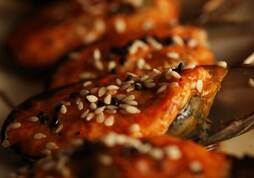
 Sriracha varieties are on the National Restaurant Association’s What’s Hot list for the year — and in addition to being popular with guests, they’re also a versatile, cost-effective item to have in your toolbox. Sriracha sauce mixes well with such commonly used condiments as ketchup, mayonnaise, honey and butter. From there, you can translate it into a wide range of applications and menu categories. Whip up a dipping sauce, sandwich topping, chicken marinade or snack seasoning, or use to it add some spice to soup or brownies.
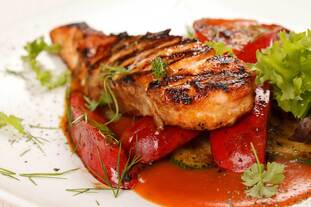 Whether you’re serving more animal- or plant-based proteins these days, consumers are embracing spices to kick up the interest of these foods. According to Food Engineering Magazine, nearly half of consumers say seasonings weigh heavily on their decision to purchase a certain protein – and spicy flavors including harissa, chimichurri and Cajun, along with smoky flavors like hickory, mesquite, oak and alder, are winning fans. Fortunately, the rubs and marinades you use to enhance the experience of a dish also offer the timely benefit of helping you stretch your pantry without a need for more real estate.
 Could you turn up the heat on your menu? Your guests’ taste buds may welcome it. As plant-based dishes have grown in demand, spices have become ever-more-important contributors of global flavor. Whether you’re serving up Asian flavors like gochujang, Latin American fare or American-style barbecue, consider giving some kick to your menu by creating spicy variations on a dish. 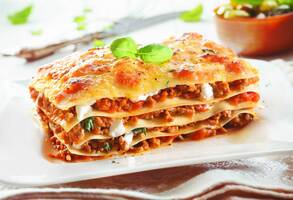 Comfort food is always on trend. But as much as guests crave the nostalgic comfort of a dish they know well, they also want something creative and interesting – a step beyond what they might think about preparing at home. Making small adjustments can offer that interest and extend your menu. Consider how global spices, seasonal produce or new marinades or sauces might complement the classic dishes you serve. 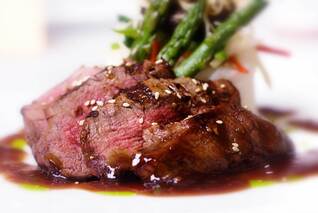 It’s one of the paradoxes of running a restaurant right now: Accommodate the preferences of your guests – but do so with a smaller staff, a slimmed-down menu and an unpredictable supply of ingredients. While that can be challenging for sure, there are simple ways to give guests the range of options they crave without stretching your inventory to its limit. Looking to your spices, sauces, dressings and condiments can help you create many variations on a dish and offer the customization guests are demanding – all without requiring a lot of staff training or consuming valuable real estate in your pantry. Try changing up the seasoning and dipping sauces on your appetizer menu to create a new special, using a popular soup to transform the flavor of a pasta dish, or looking to various combinations of condiments and global spices to add a range of international flavors to your burger menu. Even minor tweaks to a marinade can change the experience of an entrée. Turning to these options can be a labor saver, as well as a tool to save time on staff training. As you look across your inventory, what shelf-stable ingredients could you use to create multiple menu items that are new to your guests?
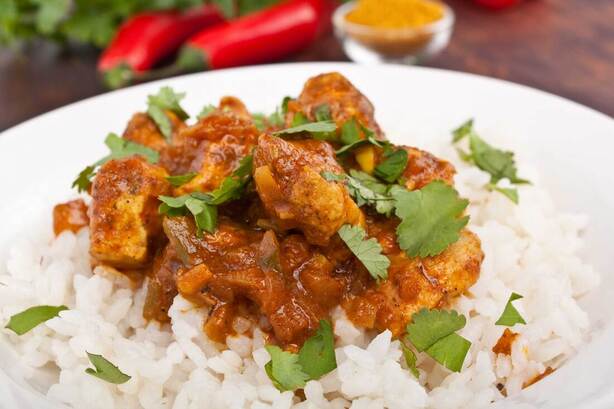 As the weather cools, you can keep guests cozy by adding some spice. Foods with a little kick are also on trend right now – and can help you transform the vegetables and proteins you have on hand. John Brewer of Excaliber Seasoning told Supermarket Perimeter recently that its warming seasonings and marinades have been popular this year – including habanero, cinnamon, mushroom, green tea, whiskey and citrus – as well as those with an international flair, like Szechuan, Gochujang, harissa and piri piri.
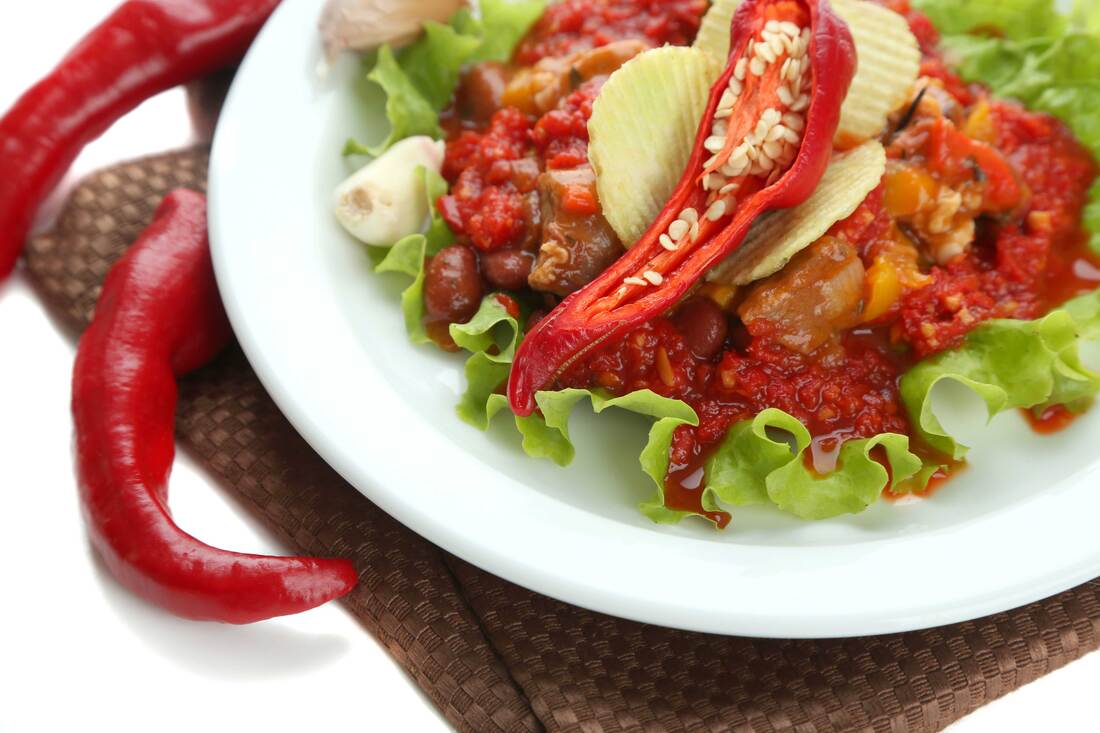 As the weather cools, it’s time to crank up the heat on your menu. That’s especially true if you’re among the many operators looking to extend outdoor dining as late as possible into the colder months this year. Add spice and other smoky seasonings to your marinades and sauces to elevate the depth, flavor and warmth of the meat, poultry and seafood on your menu. It can help you create the feeling of curling up by the fire.
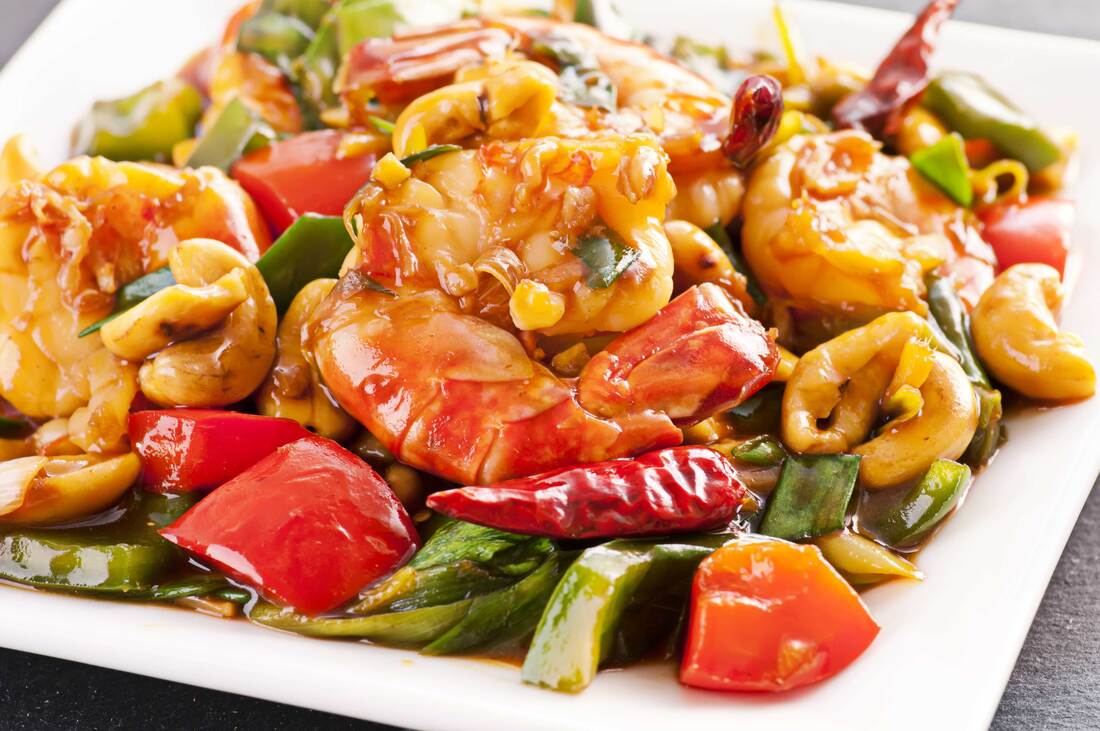 Plant-based foods may be taking the spotlight, but carnivores are still driving some food trends. The National Restaurant Association’s What’s Hot culinary forecast for 2020 named unique beef and pork cuts to its list of top-10 trends for the year. If you serve devoted meat eaters and want to offer some appealing options for them on your menu, consider some creative, on-trend reinventions of animal proteins. The What’s Hot forecast suggests adding sweet heat to dishes – and exploring global ethnic flavors, particularly those in Asian island cuisine.  Wouldn’t it be great to know what your guests will want to eat and drink not just next month or next season, but for the next two years? A recent Technomic forecast can tell you. The company has a menu predictive tool that includes machine learning, social listening tools and historical menu trends designed to map out consumer taste predictions for the next two years. Five items rose to the top: Is there a place for any of them on your menu? Two fiery sauces, Nashville hot and gochujang, will likely become widespread on menus in the coming months and years, according to Technomic’s findings. Nashville hot is a cayenne-based sauce that is associated with fried chicken – though the coming months may bring new applications. Gochujang, the Korean sauce made from fermented soybeans, dried chilies and garlic, manages to be spicy, salty and sweet. There were three beverages flagged for their anticipated rise in popularity: Ginger beer, Shochu and Mezcal. Ginger beer, which is made by fermenting ginger, yeast and sugar, is often non-alcoholic but has versatility as a mixer with alcoholic beverages. Shochu, the Japanese alcoholic beverage that can be made from ingredients as varied as sweet potatoes and barley, has a stronger taste than sake. Mezcal, a tequila relative, has a smoky flavor that is rising in popularity in both sweet and savory applications (one Washington, D.C. restaurant carries 35 varieties of the beverage).
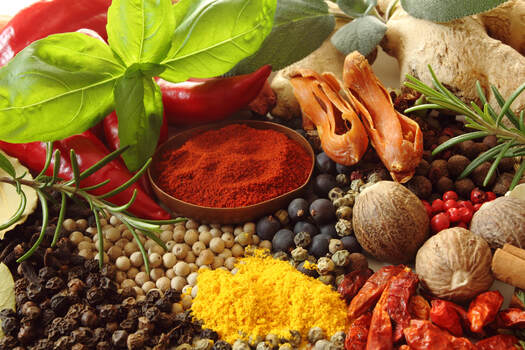 As new food trends are identified each year, it seems there is always room for restaurants to use spices to innovate and bring global flavors to a menu. One company to watch is McCormick & Co. Its long history and traditional profile masks a tech-savvy strategy. The Spoon, which included McCormick on its Food Tech 25 list of companies making the greatest impact on food this year, reports that the spice brand’s new partnership with IBM Research AI will help it predict new flavor combinations and enhance old ones. The results may help you enhance your own menu offerings in a cost-effective way.
|
Subscribe to our newsletter



Archives
April 2024
Categories
All
|
 RSS Feed