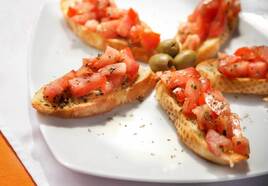
 It may be the ideal way to keep costs in check while offering guests the kinds of appealing options that keep them engaged and bring them back: Offer creative snack foods and beverages that are worth the trip outside of meal times. Think functional beverages – like smoothies that offer an energy boost or other nutritional elements ideal for the pre- or post-workout crowd. The same goes for smaller nibbles that can drive traffic during slower parts of the day, attract a younger demographic, and may be easier to feature on a rotating basis as limited-time offers to keep your menu fresh. A recent Restaurant Dive report says more foodservice businesses are taking this route – simplifying the main menu but growing their options in other areas – in an effort to reduce operational complexity in their kitchens and manage costs.
 Looking back at the past year can reveal some clues as to what we can expect in the year ahead. For many restaurants last year, food became more creative again as restaurants looked for ways to provide fresh experiences to guests while sticking to small core menus and tight budgets. One approach restaurants used accomplished this – and are likely to use again this year – is offering a rapid progression of limited-time offers. Technomic research found that in October alone, restaurants introduced more than 2,200 new menu items, of which a whopping 93 percent were limited-time offers. These items are vehicles that enable restaurants to inject something new into the menu on a frequent basis. Restaurant Business reported that some restaurants have been offering limited-time menu items with shifting seasonal ingredients, variations on core menu items, and more innovative items that allow chefs to test potential new offerings or show off a skill that might not have a chance to shine on a core menu. As you look ahead to the rest of the year, are there opportunities to more frequently change up your offerings with items that can refresh the experience you offer guests?
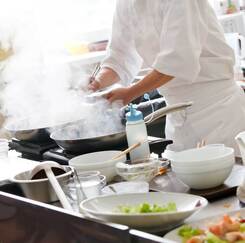 One way restaurants can make the dining experience feel more special to guests is by allowing customization – enabling guests to order a dish the way they want it. But at a time when restaurants need to operate as efficiently as possible and may lack experienced staff, customization can be a strain. According to Restaurant Dive, Starbucks has experienced labor challenges with complicated drink orders in the past, and its recent introduction of four holiday-themed cold-foam flavors aimed at driving demand beyond the holiday season may compound that issue. It’s something to consider if you are weighing options to increase the customizability of your menu. Even if those efforts seem small, they need to strike the right balance with the labor you have available to carry them out. At your restaurant, have you maxed out your tech-driven efforts to make your experience feel more personal? Having automations set up to send a guest a coupon for a free dessert on their birthday can feel personal, as can sending targeted, preference-driven promotions to guests through your loyalty program.
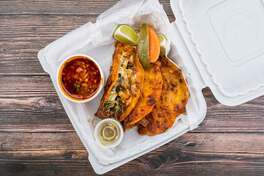 Offering what feels like a worthwhile experience to guests is important at U.S. restaurants, particularly as restaurant inflation continues to outpace grocery store inflation. One way restaurants are approaching this is through menu innovation. According to new research from Datassential, only 16 percent of restaurant operators are not planning to change their menus this year. Making updates can boost the intrigue of your restaurant and make dining out (or ordering out) an easier decision for people. But as you innovate, it’s important to find ways to make the new dishes tempting by relating them to something familiar. For example, according to Datassential, a growing number of Latin American restaurants are enticing American guests to try birria by describing it as a twist on the French dip sandwich – an American favorite that also feels experiential because of the dipping involved. The Latin American approach, on some menus, involves quesadillas or tacos served with a brothy soup for dipping instead of a beefy sandwich served with au jus. So a dish that could feel adventurous (but maybe a little out of reach) to a guest feels comfortably adventurous because of the connection to a French dip. As you innovate your menu this year, consider your menu favorites. What dishes could be appealing templates for introducing the new flavor profiles that upgrade the experience you offer?
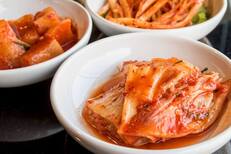 Are you skeptical that your guests may want to try microcultural foods or particular flavors beyond the mainstream? You may be surprised at how they respond. In a recent webinar from Datassential, experts suggested foodservice professionals look to some very mainstream sources – amusement parks and state fairs, for example – for a clear sense of how the general public responds to on-trend flavors. For example, at Six Flags Great Adventure, a “Flavors of the World” promotion happening this summer offers guests a sampling of food and drink from Mexico, Korea, Greece, France, Italy, the Caribbean and India. Guests can try such items as kheer, visinada and escargot en croute, among other options. If you’re interested in stretching the boundaries of your menu with flavors from around the globe, consider tempting your guests with some related limited-time offers and monitoring their responses.
 Once upon a time, a person could return to a restaurant year after year and see the same assortment of menu items. Inflation and supply challenges have turned that idea on its head, making rotating menus a more common experience. But even if the macroeconomic environment stabilizes, there are big benefits to keeping dynamic menus around. They spark ongoing interest from guests. What better reason to visit a restaurant more often than to discover the latest changes to the menu? They allow you to flow with the seasons and offer ingredients more apt to be local and plentiful. New menus naturally offer you content to promote online – you can entice people to come in before your menu options change and again when you’re unveiling new items. Finally, they keep your operation nimble. You’re able to respond more creatively, flexibly and cost-consciously when there is a shortage. A restaurant with a regularly changing menu can’t be shouldering a lot of waste.
 At a time when guests are looking for a memorable experience that feels like a good value, all while restaurant operators are looking for ways to manage supply chain fluctuations and waste, tasting menus can be everyone’s friend. They give operators more control over food waste and overhead costs, since they can generally be offered with fewer staff. At the same time, when guests know they are experiencing something fleeting, the meal becomes special and gives them a reason to return again the next time you offer something new. Finally, tasting menus can give chefs an opportunity to get creative with ingredients again, particularly if they have been leaning on more speed-scratch items in the kitchen. How can you incorporate more of the plentiful ingredients on hand this season into appealing tasting menus?
 The past couple of years have brought about a shift in what – and when – consumers eat. While they have hurried back to restaurant dining rooms for conventional meals, they have also embraced snacking in a new way. Eating several mini meals throughout the day is just about as common as eating three squares. A recent Nation’s Restaurant News report notes the growth in small plates and shareable items on menus around the country, including savory items like deviled-egg flights to sweet items like fried cookie dough bites. As a result of consumers’ greater openness to smaller, shareable plates, the boundaries between dayparts have come down. Most any new idea can find a place on the menu. This change opens up opportunities for restaurants looking to adjust opening hours, pivot to new formats, launch inventive limited-time offers, or simply entice people to order at different times so an operator can spread the lunch and dinner rush more evenly across the day (and perhaps make do with less labor). Focusing on snacks and shareable items also helps restaurants emphasize the experience of enjoying restaurant food with others – something which, during these times of high inflation, can help entice consumers to order from a restaurant instead of preparing food at home.
 If being short-staffed has had a negative impact on your online reviews, take heart that you’re not alone: According to Yelp’s State of the Industry Report, complaints over short-staffed restaurants shot up 229 percent in the first quarter of the year. But some positive – and telling – news came to the surface as well: Slower service and higher prices have not deterred guests, who have shown continued interest in both indoor and outdoor dining options. In fact, NPD Group reports that on-premise restaurant visits climbed 38 percent during the first quarter as compared to the 45 percent drop at the same time last year. At the same time, people are being drawn to dining options that offer an experience: Yelp reported openings for conveyor sushi spiked 500 percent, dinner theater increased 240 percent, supper clubs rose 200 percent and themed cafes climbed 75 percent over the same period last year. Of course, last year looked quite different from this year in a number of ways – and now we’re looking at the likely prospect of a minor recession (and a rise in unemployment) on the horizon. To be sure, the constant fluctuations in the economy and ongoing labor challenges will keep operators on their toes in the months ahead. But the good news is that consumers will continue to look for positive experiences that provide an escape. Where possible, consider what experiences you can offer guests that require minimal labor – whether through automation, pop-ups, or rotating menu items that have an experiential element.
 When inflation is high and consumers are minding their budgets a bit more, they may need some extra incentive to dine out. Your special events and promotions can provide it. Looking at what you do best, as well as entertainment options that could complement it, what event might you create that would draw a crowd? Whether it’s hosting an Oktoberfest celebration, World Cup party or simply developing a menu that relates to a popular community event already in the works, find a vehicle to make the choice to dine away from home an easy one.
|
Subscribe to our newsletter

Archives
April 2024
Categories
All
|
 RSS Feed