 After several years in which many restaurants suspended their sustainable packaging efforts in the interest of protecting health and safety, sustainability strategies are again on the upswing. But as restaurants bring back reusable containers for food and drink or introduce them for the first time, they will have new food safety risks to manage. If you’re allowing guests to refill their own food or drink container, bring in their own non-disposable container for refilling by your staff, or simply return a used container to you for use with another guest, you may need some safety nets in place to ensure you prevent cross-contamination. For example, a report from the 2020-2023 Conference for Food Protection suggests some methods for preventing contamination, including gravity-fed dispensers (portion-controlled or not), single-use utensils for transferring food into the guest’s container, or the use of single-use disposable liners (or washable intermediary containers) that allow employees to transfer food or drink into a guest’s container in a low- or no-waste way. In any case, it will be important for the guest’s container to not touch the food or drink dispensers themselves and for staff to take extra precautions with reusable containers when there are allergens present.
 If a guest asks a question about the potential for an allergen in a dish, how confident are you in the response your employees are likely to provide? If a guest experiences an allergic reaction while in your restaurant, how confident are you that your staff can respond with speed, efficiency and sensitivity? Chick-fil-A is one restaurant brand that has earned accolades for its handling of such questions. In a recent webinar from Food Safety Magazine, Steven Lyon, Ph. D, the brand’s director of food safety – field operations, shared some information about how Chick-fil-A manages communication around allergens, as well as its response to guest concerns and allergen reactions. The brand uses a number of safety nets to support staff. For example, while servers should be able to describe dishes, tell guests how an item is prepared, and suggest items that don’t contain the allergen in question, Chick-fil-A employees can help guests make a more informed decision about a dish by hitting a button on the POS system to generate a list of allergens in a food. The kitchen helps ensure cross-contamination doesn’t happen by using separate cooking oils and fryers for allergens, clearly identifying allergens on an order, confirming the order with staff, and delivering the order to the guest to ensure there is no cross-contamination from plate to plate. Beyond the cooking process, they label food packaged onsite, work with suppliers to understand the potential for allergens to be introduced during food production, and use a system that sends its stores recall updates in real time. If a guest has a reaction, Lyon recommends having a minimum response plan. For example, that may include knowing to call 911, what details to provide an emergency responder, and how to take care of a guest waiting for help – information that may or may not be common knowledge among your staff.
 In a recent webinar from Food Safety Magazine, Hal King of Active Food Safety explained how pervasive food allergies are among consumers and also identified some allergy-related vulnerabilities foodservice businesses may have. Specifically, he said food allergies affect about 15 million people and cause 30,000 visits to the emergency room. What’s more, a study conducted over a 13-year period found that half of the deaths that link back to food allergies were caused by a restaurant or other foodservice establishment. Here’s where foodservice businesses can help minimize those figures: The two primary controls that restaurants can use to avoid triggering a food allergy are avoidance messaging for the guest (on menus and other signage where food options are displayed and ordered) and prevention (by being attuned to allergens potentially being introduced by suppliers or during food preparation). King noted that one area where many restaurants fall short is on digital menus, which he said rarely include avoidance messaging to alert people to allergens and/or to the likelihood that the kitchen won’t be able to guarantee the absence of an allergen. How well do your digital menus – on your website, app, social media and elsewhere – promote allergen awareness across your brand?
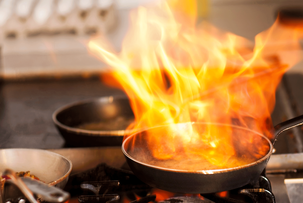 Fire safety is a critical element to get right in a restaurant kitchen. While the statistics about fires only include those that are reported, there are an average 9,076 fires reported every year, causing 107 civilian injuries and $175 million in direct property damage. Those costs don’t include expenses generated by business interruption or other impacts of a fire. This is according to Brian O’Connor, an engineer with the National Fire Protection Association, who was the guest speaker at a recent National Restaurant Association webinar about fire safety in commercial kitchens. Cooking is far and away the top cause of fires and direct property damage, he said. While cooking-related fires generate less cost per fire than other hazards like heating equipment, electrical distribution and lighting equipment, they are far more common than those risks. A number of factors increase cooking hazards. Beyond the ignition of grease in a kitchen, grease may vaporize and build up in a building’s ducts and ventilation system. Cooking equipment may not be in safe condition or approved for use. Kitchen equipment might be moved around without a subsequent reevaluation of the fire extinguishing system’s placement. Similarly, changes to storage areas or the placement of furniture may not meet fire and building codes. O’Connor offered some tips to help operators stay on top of their cooking risks: Only operate the exhaust of the restaurant’s fire extinguishing system with filters, and only use cooking equipment if the exhaust is working. Don’t leave cooking equipment unattended. Regular inspections are important too: Inspect cooking equipment annually. Maintain the fire extinguishing system and exhaust every six months. Replace fusible links every six months. Every week, inspect the metal containers used to collect grease drippings and drain or replace them if needed. Follow the equipment manufacturer’s instructions for specific guidance on maintenance. For further reference, the National Restaurant Association offers a downloadable guide, Always Ready: Fire, which covers the areas restaurant operators need to think about when it comes to fire preparedness and safety.
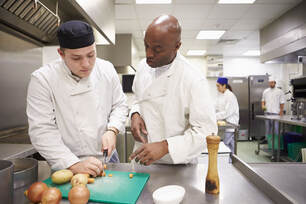 If your restaurant’s food safety culture is strong, you will likely see benefits in other areas – like an improved P&L, lower employee turnover, and enhanced guest experience and loyalty. But sometimes it’s difficult to maintain a commitment to food safety across a fast-paced organization where new people are regularly coming on board. Having a few elements in place can help you cement your food safety culture across your business: First, leaders can set the right tone by clarifying expectations and weaving the benefits of food safety into regular conversations with employees and vendors across functions. Second, training can demonstrate the “why” behind required tasks, whether it has to do with the wearing of gloves or the use of a certain cutting board for a food prep task. When people know what can happen if they don’t follow a procedure, they are more apt to see its importance. Finally, bring some humility and positivity to the training process: It can be nerve-wracking to have someone watch you perform a task and then correct your mistakes, but it can help when the trainer admits when they don’t know things or aren’t sure, points out the areas where the person is performing well, and treats the identification of mistakes as progress. After all, you’re simply working together to help your organization be the best it can be.
|
subscribe to our newsletter
Archives
April 2024
Categories
All
|
 RSS Feed