 Businesses across the foodservice industry’s supply chain face some changes under the FDA’s Food Traceability Rule (also known as Food Safety Modernization Act Section 204). The new regulation is intended to help businesses quickly identify and remove potentially contaminated foods from the food supply chain. While the change tends to focus more on food processors, distributors and other businesses operating higher up in the supply chain, restaurant operators should also be aware of any actions they will have to take between now and the January 2026 implementation deadline to ensure compliance. Specifically, restaurants that carry foods from the traceability list – food items ranging from cheeses to leafy greens that are more often implicated in food illness outbreaks – will have to meet specific record-keeping requirements. The National Restaurant Association’s website offers some resources to help operators determine if they will have to follow the traceability rule once it goes into effect, and what steps they should take in the coming months to prepare their businesses to comply if so.
 The FDA’s new Food Traceability Rule is taking aim at sources of contamination to reduce the number of foodborne illnesses and deaths in the U.S. It means that food businesses from farm to table will be responsible for adhering to a standardized record-keeping process that assigns codes to potentially risky foods. Items such as eggs, leafy greens, soft cheeses and other items will carry these codes in an effort to more quickly trace these items and remove them from the supply chain in the event of contamination. On March 16th, the National Restaurant Association held a webinar about the new rule, as well as various exceptions to it and strategies to comply.
 In an era when news about foodborne illness at a restaurant can spread faster than the illness itself, operators need to know the origins of the food they serve – and to be able to access those details quickly. To enhance communication with supply chain partners, many suppliers are adopting two-dimensional barcodes, such as QR codes, in place of traditional barcodes on products. As a Modern Restaurant Management report indicates, 2D barcodes bring together a far more substantial amount of data, enabling chefs to quickly pull up such details as a product’s country of origin, fair-trade practices and sustainability, among other information. Having a greater depth of information about a product enhances recall management, allowing suppliers to pull products from the supply chain and alert customers more quickly. Restaurant operators, in turn, can share this information with guests looking for greater transparency about their food.
 If one of your guests were to get sick after eating with you, how quickly could you identify the source of the problem and, if necessary, eliminate it from your menu? Your ability to digitally trace each ingredient on your menu back to its source – and to do so quickly – can help you contain the problem before it impacts more guests and damages your restaurant’s reputation. As you work with suppliers day to day, ensure they can provide standardized data to trace ingredients with transparency. Understand how they will track an ingredient through the system, alert you in the event of a problem, and how easily they can be reached if you have an issue.
 Want to improve your safety? Focus on improving your transparency. By having an operation that is open with vendors, suppliers and customers about your safety practices, you’re creating the conditions for improved safety. There are a number of actions you can take to improve your transparency: Trace (and minimize) your menu’s links in the food supply chain so you can tell a less complicated story about how you’re sourcing your menu. Be open with nutritional information and allergens on your menu – One Dine suggests offering a QR code on your menu that links to detailed information about menu items. Make your kitchen more visible – if you physically remove the barriers between staff and guest, you build trust and also reinforce your commitment to operating safely and efficiently. Finally, admit to mistakes when they happen – that could mean responding honestly and professionally to a negative review, or acknowledging steps you’re taking proactively to improve your operation’s safety based on audits or self-assessments.
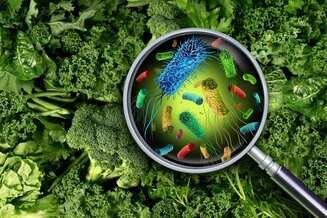 At a time when the supply chain is stressed, it’s all the more important for operators to be able to know and trust the sources of the food they serve – and to be alerted quickly in case of problems. To support that process, the FDA recently announced its Foodborne Outbreak Response Improvement Plan, which includes input from (and an independent review by) the University of Minnesota School of Public Health. Food Safety News reports that the plan focuses on four areas of priority: tech-enabled product traceback, developing better systems around root-cause investigations of outbreaks, strengthening the analysis and dissemination of outbreak data, and making operational improvements to better evaluate the timeliness and effectiveness of foodborne outbreak investigations.
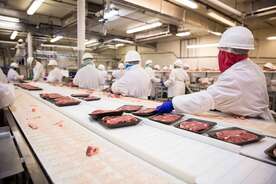 At a time when supply chain strains make it difficult to know if or when a key ingredient will arrive, there is even more reason for restaurant operators to turn to local suppliers for menu items. Just make sure to screen these suppliers for strong food safety practices, particularly if they are small or new businesses. Every supplier should be able to demonstrate its adherence to best food safety practices, including its protocols for preventing cross-contamination. Make sure you’re comfortable with their transparency and ability to trace a food item from its source to its delivery to you. Take care with deliveries and inspect every shipment for proper color, temperature and freshness.
 This year has provided a stark wake-up call about the importance of protecting the safety of our food. Up-and-coming technology called hyperspectral imaging, which can detect pathogens in food, optimize the uniformity of a product’s quality and even help with precision agriculture, has been gaining ground rapidly in the food safety industry this year. In the coming months, it’s an additional feature to watch for and discuss with food suppliers and distributors, particularly as more foodservice operations adopt speed-scratch food products to help boost efficiency. Learn more about the technology here (https://bit.ly/2JcwyHC).
 On July 4th weekend, a San Francisco wedding celebration reportedly became a breeding ground for COVID-19. Following a rehearsal dinner gathering of 40 guests at the Harborview Restaurant and Bar, the wedding couple and at least eight of their guests from across the country tested positive for the virus. But according to an Eater report that addressed reviews of the restaurant’s policies for managing groups, as well as information relayed by a restaurant spokesperson, Harborview seems to have done everything right: They took such steps as spacing tables six feet apart, separating guests by household or family unit, plating food that they had previously served family style, and reminding guests to wear face coverings. After the outbreak, employees were tested and results came back negative. So what is a restaurant to do when it follows guidelines and takes the right precautions but must bear the brunt of bad publicity after an outbreak? Start by going on the PR offensive, collecting facts to demonstrate your commitment to safety, and sharing them with the media and on your social platforms. Partner with your health officials and describe what precautions you have taken, from new employee training procedures and protocols to virus testing to signage advising guests how to maintain safety – and publicize their findings in the news media, on your website and on your social networks. Take photos and video of your facility, introduce staff and talk about how your policies have changed since COVID-19. Finally, for the moment, rethink catering to weddings – and other gatherings where people set out to socialize and celebrate with friends and family, consume alcohol, and perhaps let down their guard and ignore precautions. They may be best left to large outdoor settings or until after a vaccine is readily available.
 COVID-19 has not only demonstrated how important it is to wash hands and monitor personal wellness to limit the spread of the illness; it has also shown the vulnerability of the supply chain, both in terms of its likelihood of being interrupted and its possibility of contamination. In the coming weeks, the FDA will be releasing its New Era of Smarter Food Safety Blueprint. It will outline the agency’s strategy to create “a more digital, traceable, and safer food system” in the next decade. It is expected to provide information on enhanced traceability of the supply chain, tools to help protect and prevent contamination caused by food ordered online, and guidance on further developing food safety cultures on farms, in food facilities and in homes.
|
subscribe to our newsletter
Archives
July 2024
Categories
All
|
 RSS Feed