 To be sure, the pandemic has kickstarted rapid growth for ghost kitchens: CBRE projects they will account for 21 percent of total U.S. restaurant market share by 2025. But at the same time, we’re seeing other new models emerge that are taking advantage of the kitchen real estate that has been left behind as restaurant traffic has retreated from urban locations. Restaurant tech provider Franklin Junction, for one, has created a global host kitchen network that matches restaurants or other hospitality businesses with host kitchens that have similar infrastructure and available capacity. The aim is to generate scale, sales and market share for the partner businesses in the process. As we adapt to the industry’s ongoing evolution, pay attention to your excess – whether that is real estate or something else altogether. Chances are there are new opportunities to put it to use and generate new income streams that can be managed and monitored digitally.
 Times of challenge spark new ideas and we’re about to see an innovation boom in the restaurant industry – particularly when it comes to ghost kitchens. Technology companies, having assessed how the pandemic has forced restaurants to transform their sales models, streamline delivery and curbside pick-up, address labor challenges and take additional precautions to protect safety, are finding opportunities to help restaurants whittle down their operations so they can excel in those areas. Specifically, look for more opportunities for turnkey restaurant-in-a-box solutions that give operators the hardware, software and management technology to set up a mobile shop in a parking lot (and in the process, decrease the cost and risk of starting a business). Restaurant Technology News reports that companies like Reef Technology are focusing on “proximity-as-a-service” platforms for organizations ranging from restaurants to retailers to even healthcare testing centers. While such solutions lower the barriers to entry for people with little experience, they can also help experienced operators dip their toe in the water with ghost kitchens to determine their ideal sales model going forward.
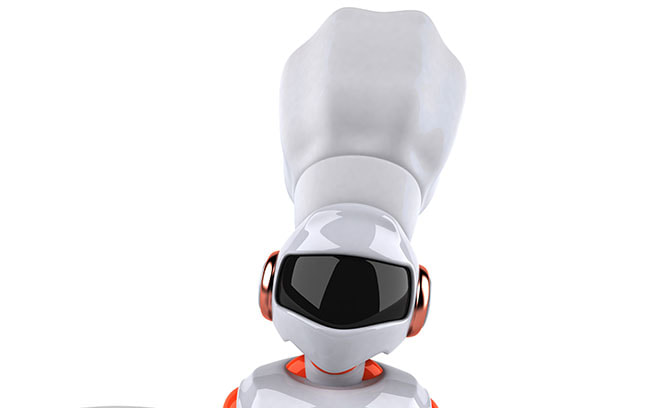 Could ghost kitchens become more the rule than the exception in the wake of COVID-19? It’s difficult to argue with the numbers. Automated kitchen technology systems are demonstrating how kitchens can churn out dozens of dishes per hour with minimal assistance from staff. (Kitchen Robotics’ newly released Beastro robotic kitchen, which claims to be the “world’s first robotic dark kitchen,” was designed to handle the planning, preparation and delivery of up to 45 dishes per hour – and only requires assistance in the plating of dishes and the refilling of feeders, the company says.) At a time when it’s difficult to not only find labor but also to quickly shift gears and guarantee safety if and when an employee becomes sick, the automation of kitchen tasks could be worth the investment – or at least some exploration. (In case you missed it, U.S. Foods launched a ghost kitchens program recently to help operators create new revenue streams.)
|
Subscribe to our newsletter
Archives
April 2024
Categories
All
|
 RSS Feed