 Unexpected equipment failures can disrupt service, compromise food safety, and create costly emergency repairs. This is particularly true during spring and summer, when seasonal menu changes, catering volume, and fluctuating temperatures place added strain on kitchen systems. Increasingly, foodservice operators are using predictive analytics to identify maintenance issues before breakdowns occur.
Connected equipment can now monitor temperature fluctuations, compressor performance, energy consumption, and operating cycles in real time. When analytics platforms detect unusual patterns, operators can schedule maintenance proactively instead of reacting to failures after they occur. According to Deloitte, predictive maintenance programs can reduce equipment breakdowns by as much as 70 percent, lower maintenance costs by up to 25 percent, and boost overall productivity by 25 percent. In senior living and healthcare environments, where refrigeration reliability and meal continuity are critical, predictive maintenance can help protect resident safety and reduce operational disruption. Multi-unit restaurant brands are also using analytics dashboards to compare equipment performance across locations and prioritize capital spending more strategically. As spring and summer guest demand ramps up, predictive analytics can help operators improve uptime, extend equipment life, and reduce the stress of unexpected failures during peak service periods.  As summer approaches, equipment strain and the costs of equipment failure rise sharply across foodservice operations. Unplanned downtime can take a large bite out of annual revenue. For multi-unit operators already working within ~5 percent margins, even brief disruptions can erase profitability.
That’s why spring provides a critical window for tech-enabled preventative maintenance. Tune in to IoT sensors, connected equipment, and maintenance platforms to monitor refrigeration performance, track equipment runtime, and flag anomalies before failure occurs. These tools can help to shift maintenance from reactive to predictive, reducing emergency repairs and extending asset life. The payoff is measurable: proactive maintenance programs can cut overall equipment spending by about 50 percent while minimizing costly service interruptions. With replacement costs for key equipment rising more than 20 percent in recent years, according to the Bureau of Labor Statistics, avoiding breakdowns is increasingly a financial strategy, not just an operational one. Before peak demand hits, focus on high-risk equipment — refrigeration, ice machines, and cooking equipment — and ensure real-time monitoring is in place. It may help you not only gain uptime, but also protect your margin during the most demanding season of the year.  As restaurant businesses become more digitized and connected, they are calling for a new kind of employee: one who is just as comfortable monitoring sensors and responding to alerts from a range of applications as they are chopping and cooking ingredients. Ensuring your staff is well-versed in these changes will only help your business, since your technology is helping you do everything from monitoring food safety, to collecting and continuously learning from the data you collect. Modern Restaurant Management reports that there is a growing role for skilled technicians to train, manage and repair this technology in restaurants. Do your training and management procedures adequately account for the tech changes your business has made? When you consider your job descriptions, training and feedback from staff, where are there opportunities to close knowledge gaps and ensure you’re reaping the greatest benefits from the technology at your disposal?
 As escalating food and energy costs continue to drive inflation higher, restaurant operators are trying to run even more leanly than they have in the past two years. But as a recent Nation’s Restaurant News report mentions, you can use tech to minimize the impact of inflation on your operation. Emphasize the importance of ordering directly from you through your website or app versus third-party vendors – being able to accumulate and analyze guests’ data is critical to developing the menu items and promotions that will bring them back. Then try to put costly or tedious functions on autopilot. That means considering QR codes or self-order kiosks at the front of house to streamline ordering and payment while minimizing the labor required. In the back of house, consider tech tools that can make your food safety program more consistent – connected temperature sensors, digital checklists in place of paper processes, and the use of alerts to monitor cleaning and maintenance can all help you minimize waste and manage resources better at a time when they are especially tight.
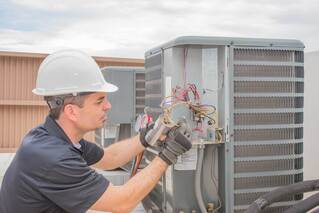 Maintenance generally comprises between 2 and 6 percent of a facility’s budget – and those costs can climb if repairs are left waiting for so long that they become replacement costs. But like so many elements of restaurant operations right now, repairs can now be automated, enabling operators to more quickly address equipment and facilities repairs as they are needed. ResQ is one company that helps restaurants request a contractor from its network to help address problems related to HVAC, refrigeration, electrical, plumbing, pest control and other challenges, as well as pay for and document the service received, The Spoon reports. ResQ is currently available in just Los Angeles, Dallas, Phoenix, San Francisco and Chicago, but a recent $7.5 million seed investment could quickly add cities to that list.
|
Subscribe to our newsletter
Archives
October 2026
Categories
All
|
 RSS Feed