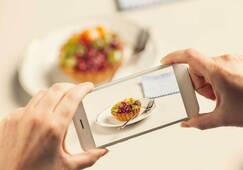
 We eat with our eyes – or at the very least, the images we see of a dish have more power to sway our ordering choices than the text descriptions we read. In fact, Grubhub found that including professional photos in your menu can increase your sales by 30 percent. Even if you don’t want to overload your menu with images, there are many places beyond your menu where images can drive sales – on your website, in app-based communications to guests, in social media posts. And as generative AI continues to improve, it’s becoming easier for restaurants to generate accurate, quality images of menu items – all with just a series of text prompts. Two startups are making it possible for restaurants to do just this. Hackernoon reports that Lunchbox collaborated with OpenAI to launch a food photo generator, and SWIPEBY has a text-to-photo tool that generates food photos based on menu descriptions. It will likely take a few tries, but you may be able to create a close likeness of the profitable dishes you want to promote by simply describing their ingredients and appearance to these tools.
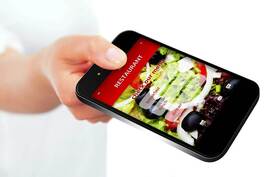 Feeling competitive? A lot of your industry peers are. Recent research from the National Restaurant Association found that nearly half of operators expect competition to be more intense this year than it was last year. Only 7 percent expect it to ease – and that’s in an environment where the majority of operators say there either the same number of restaurants or fewer restaurants than there were in 2019. Your technology stack can help you make sure you’re seizing every opportunity to serve guests well and keep them coming back. You can accomplish this in several ways: Smooth out and speed up your ordering process. Your mobile app can go far in representing the experience of your restaurant. Make it easy for people to view the menu, place orders and make reservations with a minimum of clicks and scrolls. Regular customers should have easy access to previous orders and be prompted with special offers and add-ons that complement their favorite menu items. In-house, consider incorporating tableside ordering and payment to improve order accuracy, expedite service, and ensure your staff can make best use of their time. Depending on your restaurant category, consider using digital menus and signage to update your menu in real time and draw guests to your most profitable items. Finally, your customer data – as well as information you collect about the competitive landscape – can help you better understand how people feel about your menu, keep tabs on your service, and allow you to stay nimble so you’re able to make proactive changes to benefit your business.
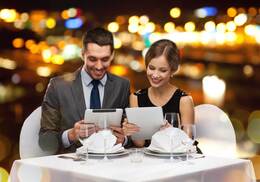 When you’re trying to upsell a guest with an appetizer or a dessert, you have a better chance of transforming their hesitation into agreement if you can show them exactly what they might be missing. Tableside tech can be helpful here. While a tablet can be a time and labor saver in a restaurant, it can also serve as a virtual dessert tray or a sneak peek into your kitchen if you can use it to present quality photos or even video of menu items being prepared. Are there dishes on your menu with a high wow factor – or ones that are especially profitable for you? How can you boost their profile with guests through the tech you currently use?
 After a period of two years when technology has demonstrated its worth across a wide range of businesses, restaurants are awash in new data – about their customers, equipment, sales, inventory and more. But any data you collect is only as good as the problems it actively addresses. Make sure the information you collect is working for you by regularly asking some questions of it: What are our most profitable menu items? What menu items need to be adjusted or could benefit from customization? How should I schedule staff during our busiest and quietest shifts? What clues do the data provide about items that could be ideal limited-time offers? Regularly assess the information you’re collecting and identify any loose ends. Any data you generate should help you solve a problem or make an improvement.
 The end of the year is a time restaurant operators can count on for strong performance – with December typically the most profitable month of the year. But Black Box data from December points to sales growth of just 4.1 percent, compared to 8.4 percent in November. It marked the weakest month for the industry since the 2.7 percent growth reported in March 2021. In light of those results, a recent Restaurant Business report suggested guests may be questioning restaurants’ value amid steeply climbing costs. It’s no wonder – amid ingredient and labor shortages, along with escalating costs, something has to give. But all the same, operators can only turn those figures around if they can demonstrate the value of choosing a restaurant meal over one prepared at home. Staffing shortages can cause service to take a hit, but you may be able to help compensate for this with improved speed of preparation: Simplify your menu with speed-scratch ingredients or other elements ready to be added to a number of dishes. Remove friction from the process guests must go through when searching for you online and placing an order. That means monitoring your restaurant online to ensure information about your menu, hours and contact information is up to date on review sites, search engines and social media, as well as testing your online ordering functionality to remove glitches and ensure repeat guests are recognized in your system. Speaking of loyal guests, double down on your loyalty program and guest personalization, which will make it feel more worthwhile for guests to support your business (either in your dining room or through order collection), as opposed to having a third-party vendor drop off their delivery order. Finally, aim to appeal to guests’ own values by supporting local suppliers and sharing their business names with guests – an expensive meal feels more worthwhile to a guest when they know it supports their broader community.
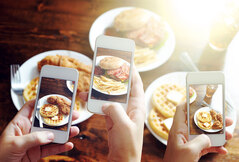 Do you use photos of menu items on your website? If so, how well do they represent the dishes you offer? Having clear, accurate photos of your menu items (both in online and in-store menus) saves time for your staff, who don’t have to answer questions about what a dish is like. What’s more, it can also drive other important efficiencies behind the scenes: According to research from Zuppler, compelling photos can elevate your effectiveness online. Having labeled images of menu items can boost your ranking in Google searches and also improve conversion rates, since fewer people abandon online shopping carts when they see a photo of what they are buying.
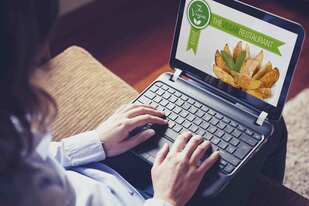 Last year at this time, having an on-trend menu or holiday promotions may have been priorities for you. Fast-forward a year and restaurant hospitality – and the ethics surrounding it – looks much different. One recent Washington Post article mentioned how diners, in general, are going through a more rigorous decision-making process when it comes to determining if and where they will dine out. Criteria that would have seemed outlandish just a year ago – like a restaurant’s COVID-19 protocols, table-distancing measures, neighbourhood and amount of foot traffic – now speak volumes to consumers about a restaurant’s potential risks (and therefore, the quality of their hospitality). If local restrictions fluctuate in the coming months, how will you consistently communicate safety to your guests and off-premise customers? Continue to promote – via your website, social media and in-store signage – that you are committed to protecting the safety of both your staff and your guests. If guests want to access detailed information about how you’re handling COVID-19, provide details on your website. Post your employee sick leave policy, specific cleaning protocols and schedule – yes, recent research indicates that more consumers want to know these details – and what you are doing to protect the safety of off-premise meals as well. Much like restaurants that have developed a loyal following of customers who have food allergies, restaurants that visibly protect guest safety – not just for show but as a deeply felt value – stand to earn guest loyalty too.
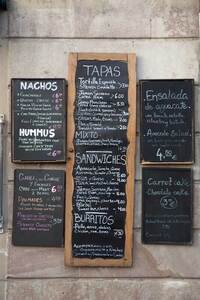 Still using paper menus? In an environment where AI-powered digital menus can upsell, cross-sell and suggest dishes based on a customer’s past orders or even the weather, the paper menu is likely to become an increasing liability. According to McKinsey research, personalization can deliver five to eight times the return on investment on marketing and can increase sales by 10 percent or more. What’s more, having a data-driven understanding of what customers are ordering will help you better predict what they are likely to order in the future – and help you minimize waste and the expense it generates.
 If you can customize and personalize your menu for guests, you earn loyal guests, which are what operators need right now. Technology is making it easier for operators to give guests the choices they want on demand. Case in point: Taco Bell recently unveiled a feature called Veggie Mode on its self-order kiosks. It will allow users to push a button and immediately change the options on their screen to vegetarian ones. Ostensibly, it’s a feature that could be extended to eliminate any food to which a guest has an intolerance or dislike. Through your website, app and text/email promotions, are you using your available technology to help guests quickly see the options best suited to their tastes?
 Data is valuable currency for any restaurant business. But as cybersecurity becomes increasingly precarious as retail and restaurant brands experience more breaches, consumers will continue to be wary about parting with the personal information that helps you create experiences that will bring them back. However, if you find ways to tap into what your guests value most and build memorable experiences around those things, people will be more inclined to share their data with you. That was a key perspective shared by several speakers at Customize, a food personalization summit hosted by The Spoon recently. At the event, Melanie Bartelme, a Mintel analyst, said restaurant operators can provide real value in their products, services or experiences by offering such benefits as diet or cooking tips guests can use, food products that benefit their health, or even a streamlined technology experience. These benefits are advantageous in that they can appeal to broad swaths of your customers without being generic. Then once these customers are comfortable sharing their personal information with you, you can zero in on offering them more personalized experiences based on their preferences – seasonal drink recipes might appeal to the at-home entertainer, or customized Friday-night text messages could prompt a customer to order his favorite vegetarian pasta dish as he leaves work.
|
Subscribe to our newsletter
Archives
April 2024
Categories
All
|
 RSS Feed